Charter Bus for Sports Teams & Tournaments in Japan
Charter Bus Coordination Handles Airport, Hotel, and Venue Transfers for Tournament Trips
When a school or club team arrives in Japan for a tournament, the biggest logistics question is usually not the match schedule -- it's how the group moves between the airport, the hotel, and the competition venue without losing time or splitting up. A single charter bus, or a small fleet for larger squads, can cover the full loop: pickup at the airport, transfer to the hotel, daily runs to the venue, and the return trip. As a travel agency, Tabinosuke arranges this kind of point-to-point sports logistics for you -- working out route planning, vehicle sizing, and equipment loading with the charter bus company before the team lands, rather than improvising on the day. This guide covers route and height checks, vehicle selection by equipment volume, multilingual coordination, booking timing, and what to add to the schedule between matches.
Height Restrictions and Vehicle Size to Check Before Your Airport-Hotel-Venue Route
Before finalizing a route between the airport, hotel, and venue, the vehicle's height needs to be checked against every bridge and overpass along the way. Regular roads in Japan generally allow large vehicles up to about 3.8 meters tall, while some routes marked as height-permitted allow vehicles up to 4.1 meters through. This matters because access roads near major transit hubs are not all built to the same standard -- the approach to Shin-Osaka Station's charter bus parking area, for example, runs under a rail overpass with a clearance of only 3.6 meters, so a high-decker coach fits through while a super-high-decker does not. The same kind of check applies to hotel driveways and stadium parking, where clearance and turning space vary by venue. Large international events bring this into sharper focus: the 2026 Asian Games in Aichi and Nagoya run from September 19 to October 4, and events of that scale typically involve detailed transport planning around each venue. Tabinosuke arranges transfers within Tokyo, Osaka, and the Kansai Airport area, so we can put together a route for teams staying or competing in and around those regions.
Choosing Between a Large Bus and a Microbus Based on Equipment Volume
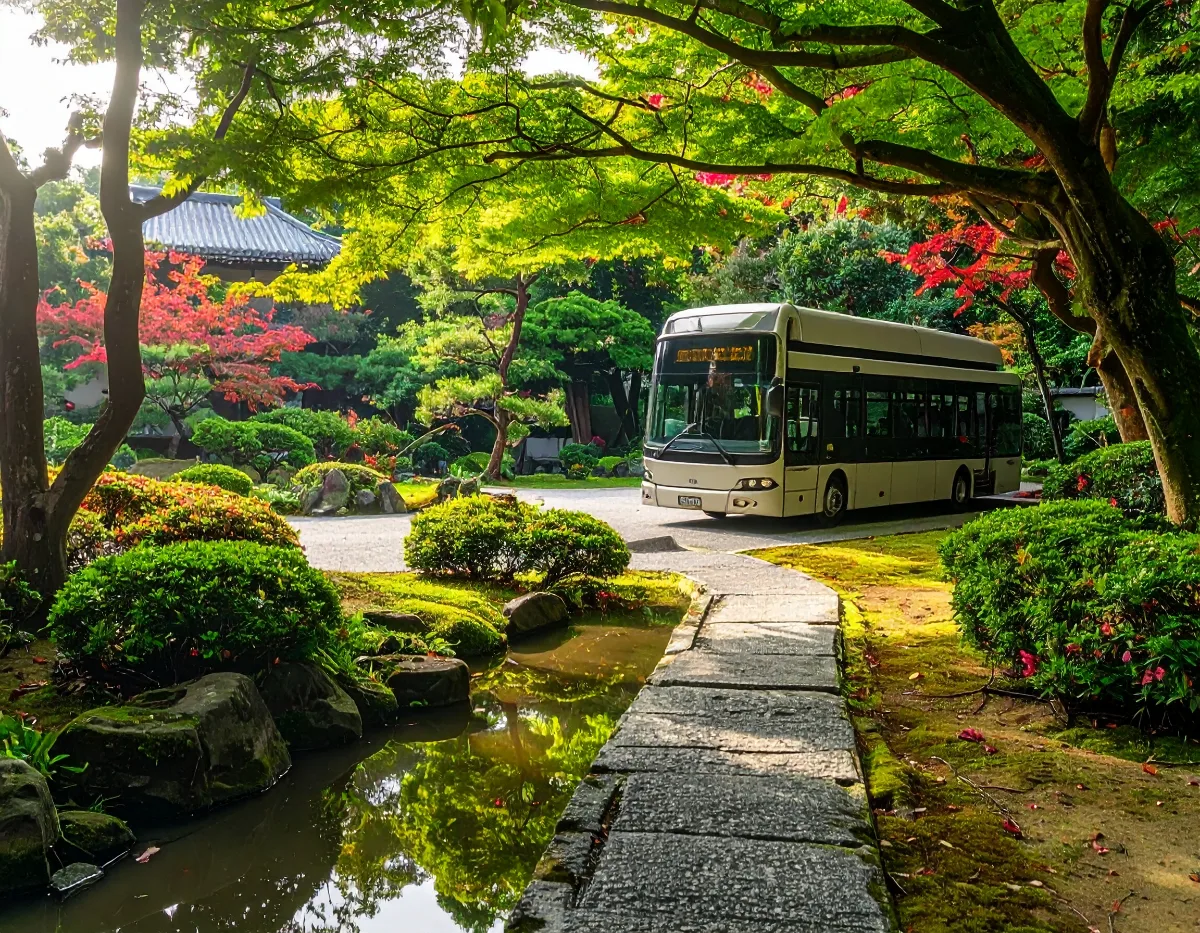
Team gear is usually the deciding factor in vehicle choice, more so than headcount alone. A large bus carries a separate, high-capacity trunk compartment below the passenger cabin, which comfortably holds bat bags, stick bags, cooler boxes, and other oversized equipment that won't fit on an overhead rack. A microbus, by contrast, often has little or no external trunk space, so bags typically ride inside the cabin with the players. For a team traveling with bulky equipment -- hockey and baseball squads in particular -- a large or mid-size bus is usually the more practical pick even if a microbus would technically seat the group. When we put together a quote, we size the vehicle around both the roster count and the equipment load, not headcount alone.
Multilingual Coordination, Interpreter Seating, and Transport Simulation
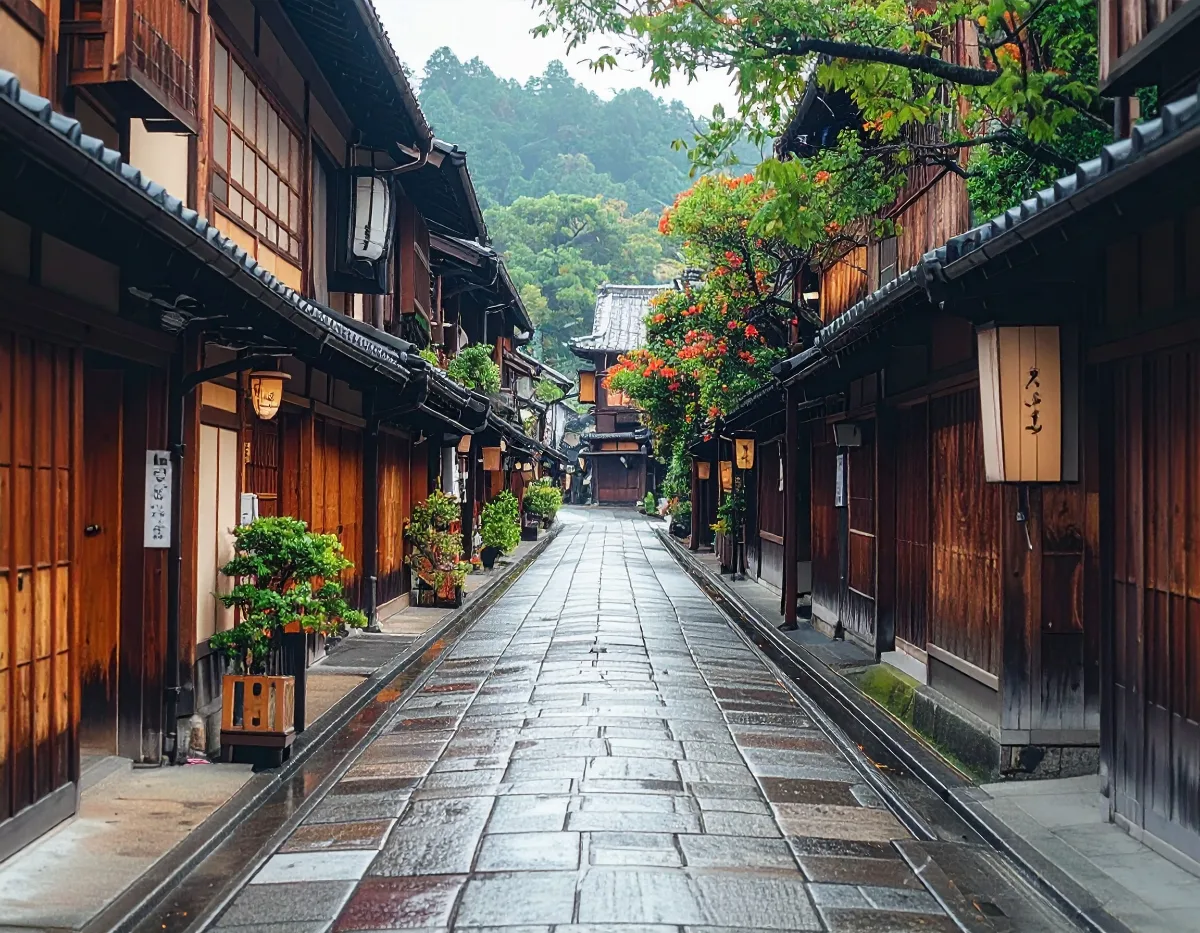
Language is the other variable that needs to be worked out before match day, not during it. For international tournament hosting, having an interpreter present and running through the day's movements in advance both go a long way toward keeping a group moving smoothly between venues. We recommend that a bilingual coordinator or interpreter rides with the group for at least the first transfer, and that pickup points, departure times, and any gate or check-in procedures at the venue are shared with the team and the driver ahead of time. Walking through the day's movements once before the team lands -- where the bus stages, how boarding works at the hotel, what happens if a match runs long -- removes most of the confusion that a language gap would otherwise cause on the day itself.
When to Book During Peak Season, and How Cancellations or Date Changes Work
Tournament season overlaps with Japan's busiest charter periods, so booking early gives you a much wider choice of vehicle size and pickup time. Charter bus pricing depends on your group size, route, and schedule, so we work it out as a formal quote for your itinerary rather than a flat published rate -- you can request one anytime at tabinosuke.com/estimate/. If a booking is cancelled or changed after confirmation, a cancellation fee applies based on how close to departure the change is made: 0% up to 21 days before, 20% from 20 to 8 days before, 30% from 7 to 2 days before, 40% the day before, and 100% on the day itself. Because tournament schedules sometimes shift, it's worth locking in the booking early and flagging any chance of a date change when you first request a quote.
Adding Hot Springs and Local Dining Between Matches
The time between the hotel and the venue doesn't have to be pure transit. Teams with a rest day or a gap between matches often build in a stop at a hot spring facility or a local restaurant on the way back from the venue, turning a transfer into part of the trip. A common pattern for groups landing at Kansai Airport is a run through Nara -- Todaiji Temple and Nara Park -- before continuing on to the hotel, or a Kyoto-based stay near Miyako Hotel Kyoto Hachijo paired with Togetsukyo Bridge, Tenryuji Temple, and the Sagano bamboo grove on a free afternoon. These additions work best when kept to a single, unhurried loop rather than a packed sightseeing list, so the team arrives at the next match rested rather than tired from the road. For a closer look at how a day like this fits together, see our model course pages linked below.
