Michi-no-Eki: Japan's Roadside Stations for Group Bus Trips
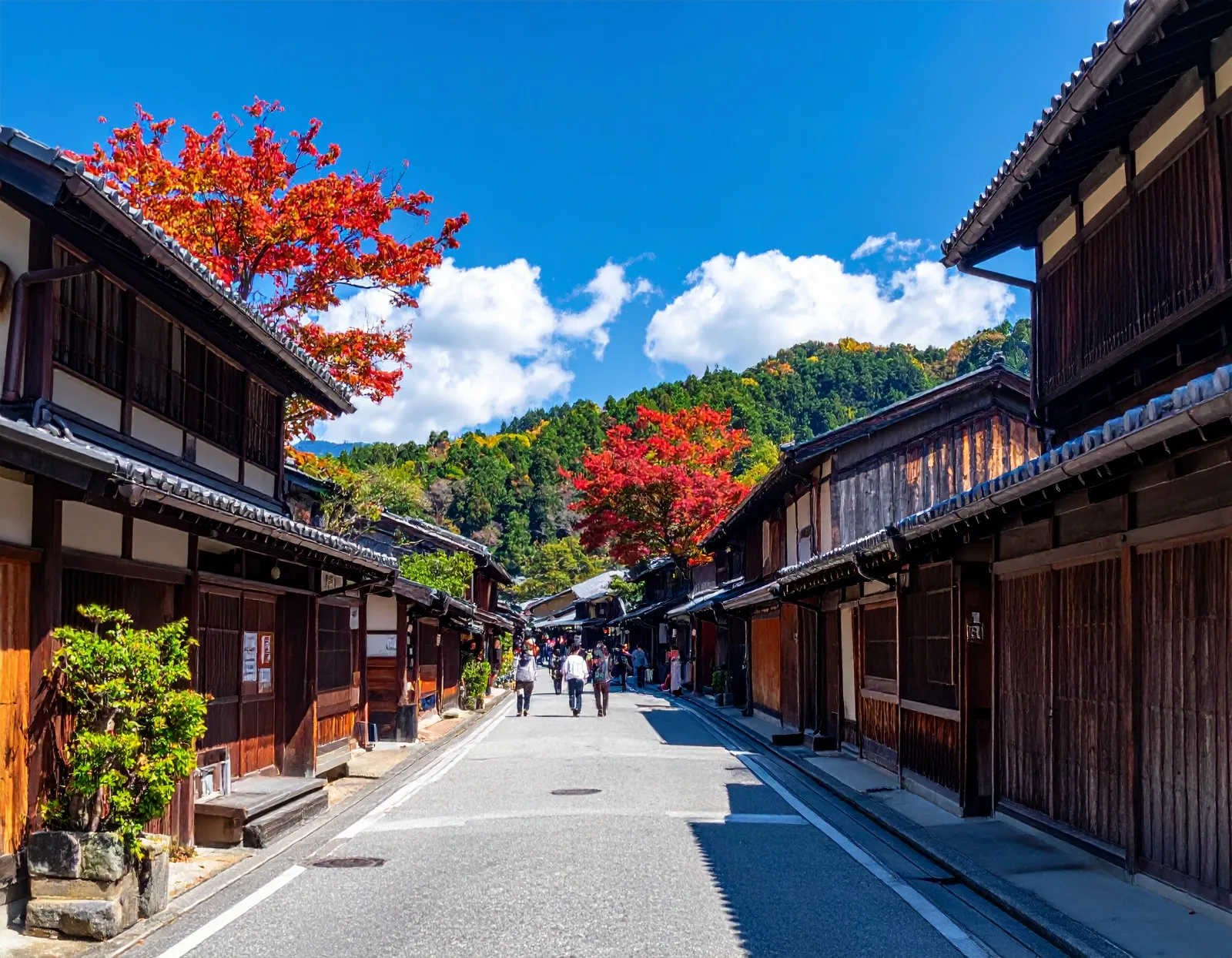
Michi-no-Eki: Japan's Free Roadside Rest Stops
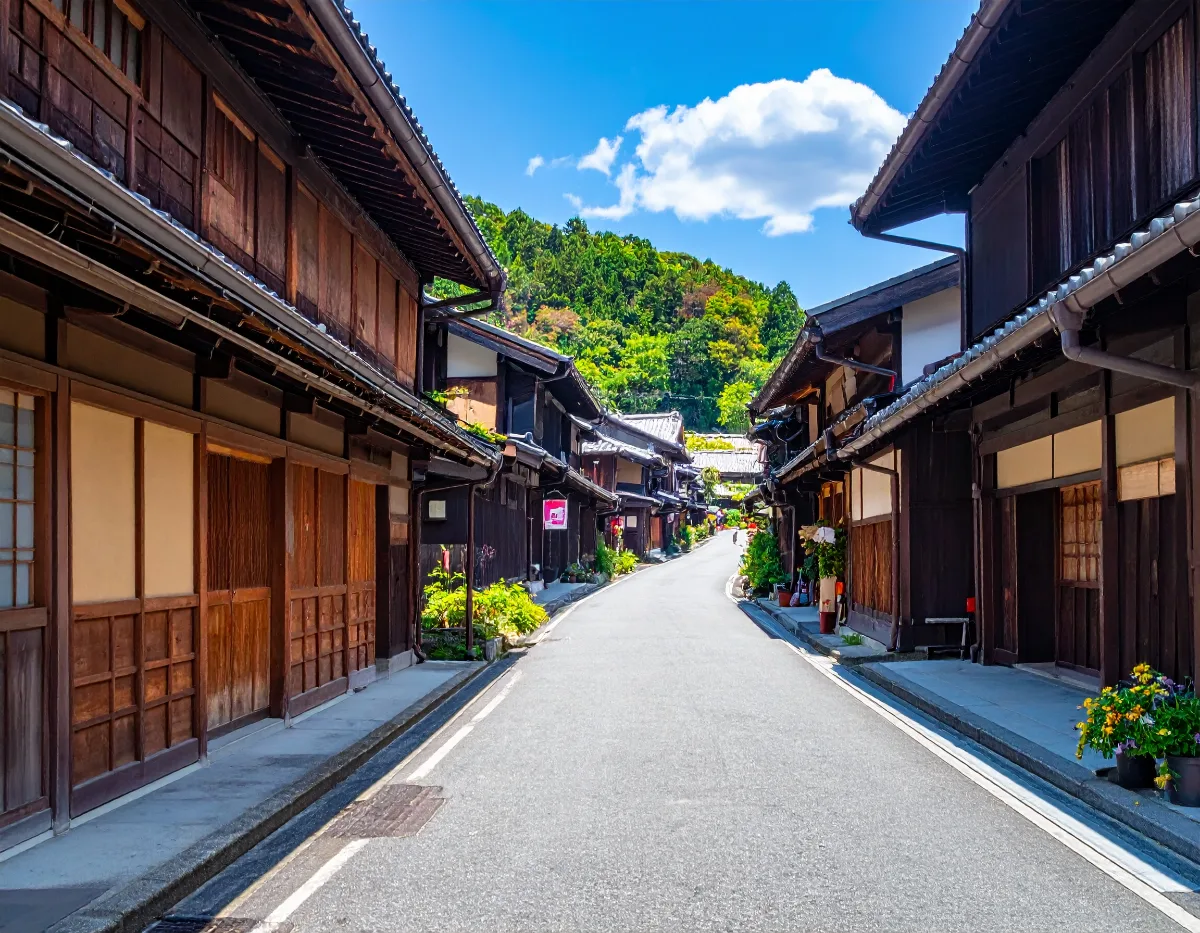
Long before "michi no eki" started showing up in overseas travel searches, these roadside stations were already a fixture of ordinary Japanese highways. Most michi-no-eki are free public facilities built along ordinary roads rather than expressways -- parking, restrooms, and a local produce or souvenir hall bundled into one stop. The system began with just over a hundred locations and has since grown to more than 1,200 stations spread across every one of Japan's 47 prefectures, each shaped by whatever the surrounding region grows, catches, or brews.
Most articles about michi-no-eki are written for solo drivers. As a travel agency that arranges chartered buses for company outings, welfare and accessibility-focused trips, three-generation family tours, and school excursions, we look at michi-no-eki a little differently -- as building blocks for a group itinerary. Not every station can handle a large coach, so knowing which ones can is part of planning a smooth day on the road.
What Makes a Michi-no-Eki Ready for a Charter Bus Tour
Facility size varies enormously, and for a group trip that difference matters. Some stations have parking for many large buses and plenty of restroom stalls, built with group travelers in mind, while others have room for only a few cars. The gap between a station with a handful of car spaces and one built for coach traffic is exactly why an itinerary shouldn't just pick the nearest dot on the map.
As a booking agency rather than the bus operator itself, we factor this kind of groundwork into the routes we propose, and we check parking suitability for coaches when planning the route.
A Sample Charter Bus Itinerary Built Around Michi-no-Eki Stops
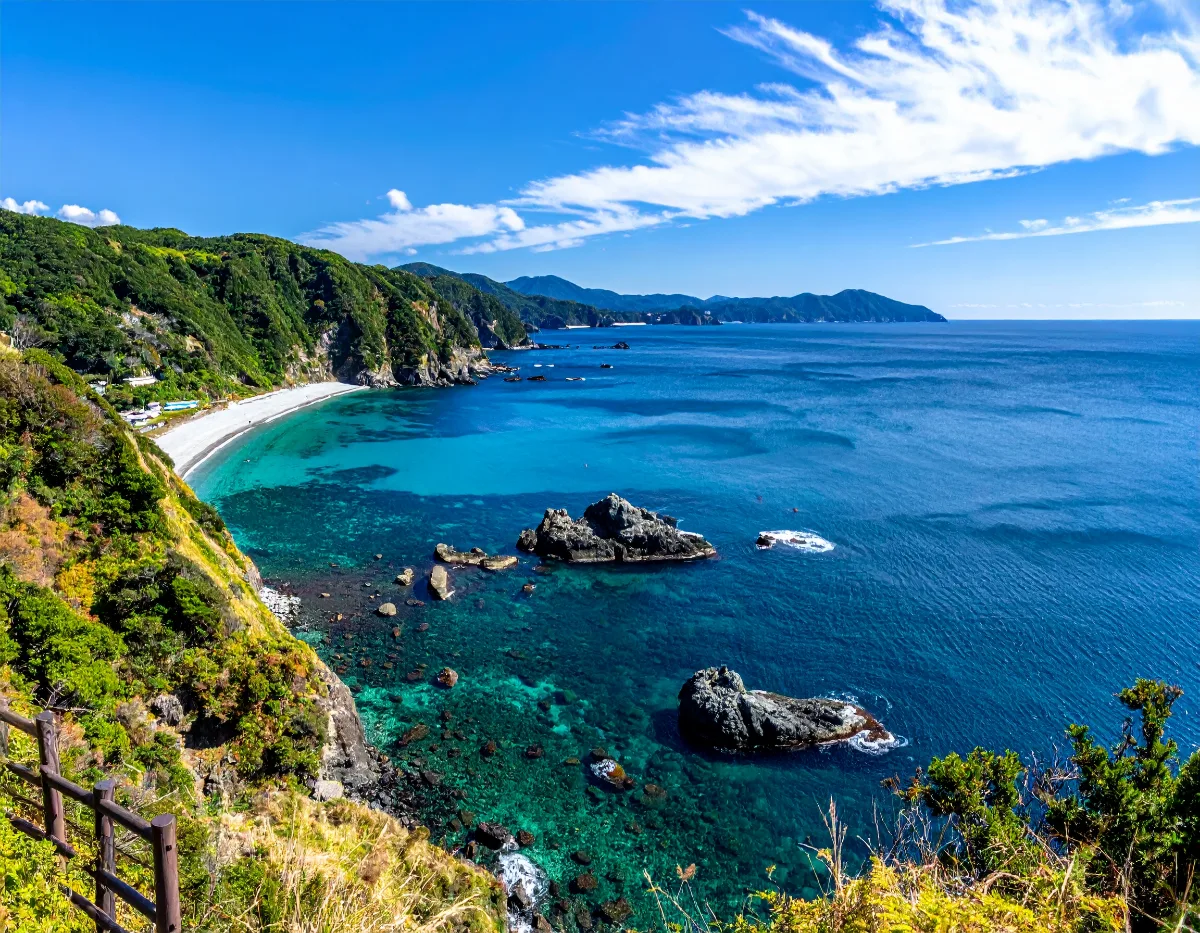
A comfortable day trip usually falls into a simple rhythm: a morning at one sightseeing spot, a midday stop at a michi-no-eki for a restroom break and a local lunch, then a second destination in the afternoon. Scattering two or three such stops through a route -- rather than one long unbroken drive -- keeps a group loose and fed without turning the day into a marathon. Please note that a Japanese-speaking party leader must accompany the group on board.
This kind of pacing works whether the group is a company retreat, a three-generation family outing, or a class of students on an excursion -- the shape of the day changes, but the logic of building in a good roadside stop stays the same. For sample day trips and multi-day routes built around this idea, our model course page is a good starting point, and a quote for your own group size and route is available anytime through our fare estimate simulator.
How Often Should a Group Tour Take a Break
For everyone's comfort and safety, a chartered bus makes a point of pulling in for a proper break at sensible intervals rather than pushing straight through a long stretch of road. Michi-no-eki are efficient stopping points precisely because they combine several needs in one place -- restrooms, a meal or a snack, and a browse through the local shop -- so a group doesn't need three separate stops to cover what one well-chosen station handles in thirty to forty-five minutes. When we build a route, the goal is a relaxed pace that never feels rushed, with stops placed where they naturally fit the flow of the day.
Local Flavors, Souvenirs, and Onsen Waiting at Michi-no-Eki
The produce corner is usually the heart of any michi-no-eki -- crates of whatever is in season, jars of local pickles, and a soft-serve stand turning out flavors you won't find two towns over. Souvenir shelves lean into regional specialties rather than generic gift-shop fare, so a group can pick up something genuinely tied to the area it just visited. A number of stations go further and attach a hot spring bath or a free foot bath (ashiyu) to the property, turning a rest stop into a small, relaxing detour in its own right. Thirty to forty-five minutes is usually enough for a group to eat, shop, and soak their feet before moving on.
If a michi-no-eki stop like this sounds like something worth building into your own trip, our model course page has more route ideas to browse.
