Osaka, Kyoto, Nara: An Unhurried 3-Day Group Route
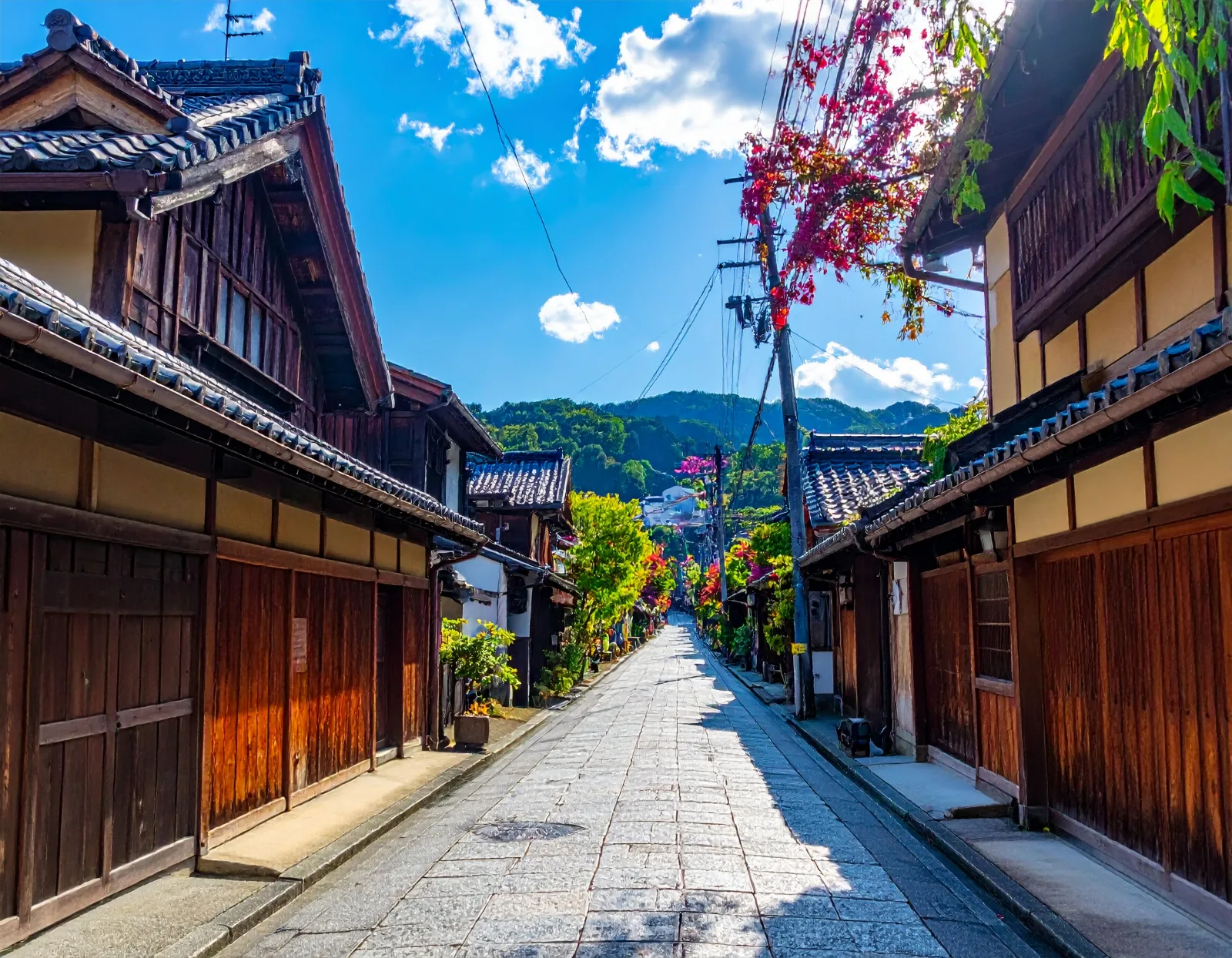
The 3-Day Group Route: Kyoto, Nara, Osaka in the Right Order
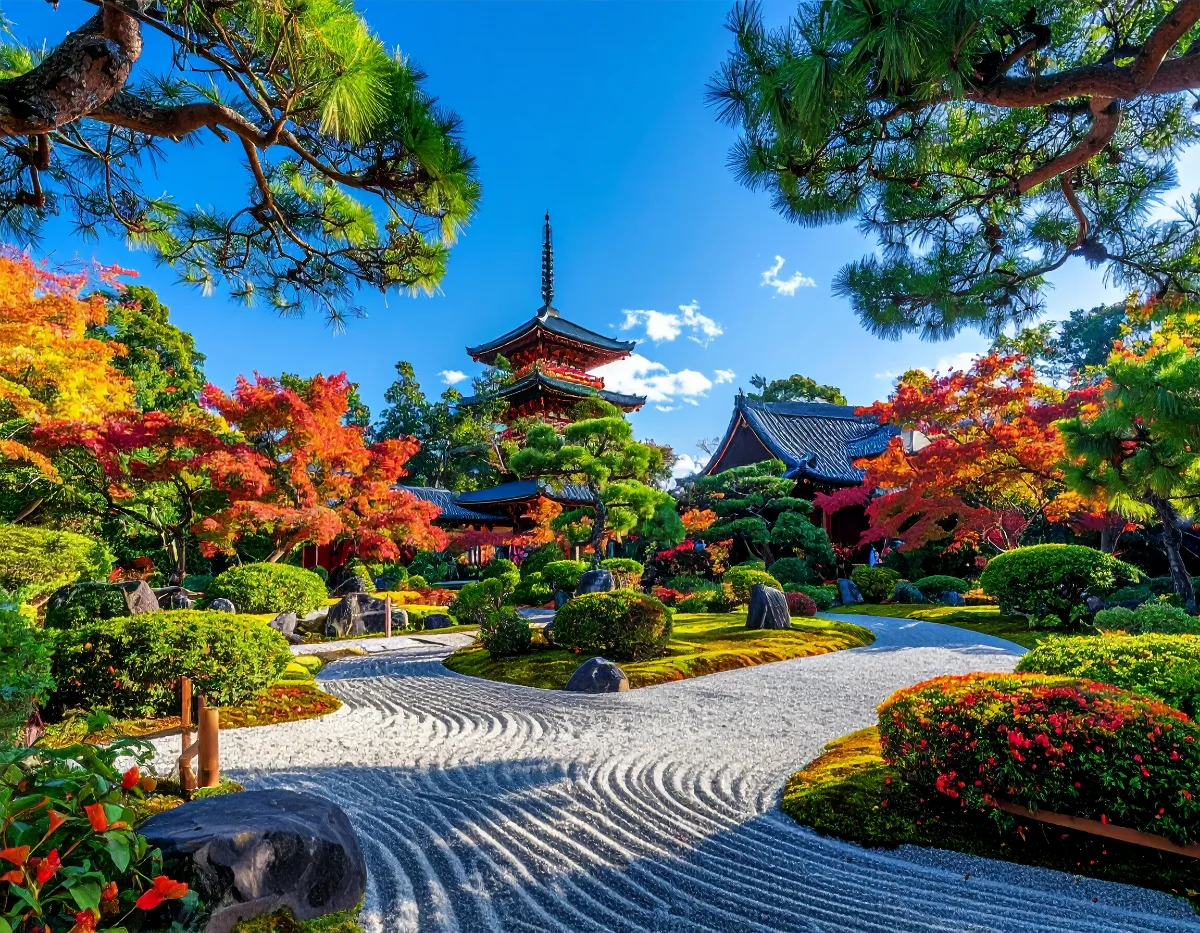
A 3-day charter bus trip across Osaka, Kyoto and Nara works best when the order follows the road, not just the sightseeing wish list.
Day one settles the group into Kyoto, working through temple and shrine clusters that sit close enough together for a large bus to reach each gate without long transfers. Day two treats Nara as a day trip out of the Kyoto base — deer park, temple grounds and back by evening, with no need to change hotels. Day three closes the loop in Osaka before the group disperses, using the return leg toward the airport or shinkansen station rather than adding a fourth city.
The reasoning is road geography, not sightseeing appeal alone. Osaka and Kyoto sit roughly 50.5km apart via the Meishin Expressway, and building the route around that single link — rather than criss-crossing between the three cities — keeps the bus moving forward instead of backtracking.
It also matters that a large-bus itinerary needs more slack between stops than an individual or small-group plan built around trains. Boarding 40-plus passengers back onto a coach simply takes longer than a couple stepping off a platform, and a route timed for foot traffic runs the group late by early afternoon.
How Much Drive Time to Budget Between the Three Cities
Map estimates are a starting point, not the number to schedule against. The Osaka–Kyoto link — about 50.5km via the Meishin Expressway — is a reasonable anchor for transfer planning, but actual time on a given day moves with traffic.
The corridor that needs the wider buffer is the Kyoto–Nara connection along Route 24, which is known for chronic congestion and can run well past a map-estimated drive time, especially in the early afternoon.
The fix is to build the buffer into the schedule before the trip starts, not to tighten the time at each stop once the group is already behind. A large bus can't recover lost minutes the way a car or taxi can — there's no shortcut through a side street, and the pickup point has to accommodate the vehicle's length.
Itineraries that treat Route 24 as a flexible 30-minute hop tend to compress lunch or the last stop of the day instead.
Where a Large Bus Can Actually Park at Nara Park, Arashiyama and Central Kyoto
Bus parking is the detail that decides whether a stop is realistic for a group this size, and it's worth mapping out before the day rather than discovering on arrival.
Nara Park's bus terminal itself has no dedicated bus parking — groups route instead to nearby lots such as the Noborioji car park near Todaiji, which holds around 275 spaces and is the practical option for a coach-size group visiting the deer park and temple grounds.
Arashiyama's sightseeing bus parking runs on a reservation-priority system. Without a reservation, a bus is typically limited to a drop-off and pick-up only, not a parked stay, and the lot charges ¥3,000 for the first three hours with ¥1,000 for each additional hour.
Central Kyoto spots work on a similar advance-booking basis through the city's digital reservation platform. Nijo Castle has only 11 spaces in its first lot and 10 in its second, and the Kodaiji lot is fully reservation-only, with booking open from two months ahead until 17:00 the day before.
Umekoji Park's bus lot is a useful fallback for a group routing through the Kyoto Station side of the city — 24 spaces, open 24 hours, at ¥3,600 for three daytime hours (8:00–17:00) plus ¥1,000 per additional hour, or ¥500 per hour overnight. None of this needs to be something a reader books directly; it's planning knowledge worth raising when mapping the stops with your organizer.
Restroom Stops, Lunch and Weather Backup for a Full-Bus Group
With 40 or more people on board, comfort stops get placed on the route in advance with bus-accessible parking already confirmed, rather than chosen on the fly once the group is tired or hungry.
The same goes for lunch: a venue needs group seating capacity and a spot for the bus to drop off and park nearby, not just a menu that looks good on paper.
Weather backup follows the same logic. Indoor alternatives for each day are built into the itinerary at the planning stage — a covered hall near a temple complex, an indoor market, a museum wing — so a rainy morning doesn't mean reworking the plan mid-trip.
Deciding the backup before departure keeps the group moving instead of waiting on a decision.
Group-Friendly Stops Worth Adding Beyond the Landmark List
Once the core three-city route is set, there's often room for one lower-crowd stop that still works logistically for a large bus.
The test is simple: can the location unload 40-plus people at once, and is there a realistic walking loop that brings the group back to where the bus is parked. A narrow lane with no return path, or a spot with room for only a handful of visitors at a time, doesn't hold up at coach-group scale even if it looks appealing for an individual visitor.
These additions work best slotted into a gap already in the Day 1–3 route — between a morning temple and lunch, say — rather than tacked on as a fourth destination that stretches the drive-time math built earlier in the plan.
Because the right fit depends on the group's exact stops and timing, this is best raised as an optional add-in when discussing the itinerary directly, rather than treated as a fixed list to pick from.
Sizing the Bus and Getting This Route Quoted
A standard large charter bus seats 53 — 45 regular seats plus 8 jump seats — which gives a 40-person group room to spare for luggage and a bit of breathing space between neighbors.
Coach size, stop count and travel days are what actually shape how a route like this comes together. A version with heavier Kyoto parking logistics or an extra stop plays out differently in the schedule than a straightforward three-city loop, so pricing is built around the shape of that particular itinerary rather than a flat rate that fits every version of this trip.
Browsing existing Kansai itinerary ideas is a reasonable way to get a feel for how a route like this comes together before settling the order of stops. From there, the way to price this exact route is by sending a headcount and stop list through the fare estimate page, with the quote built around the group's own numbers and the shape of the three days.
Run in the right order, the three cities stop feeling like three separate errands and settle into one unhurried loop — Kyoto's mornings, Nara's afternoon, Osaka's last evening before the road home.

A Japanese-speaking party leader must accompany the group on board.