Setouchi Island Hopping Group Trip: Naoshima & Teshima by Bus
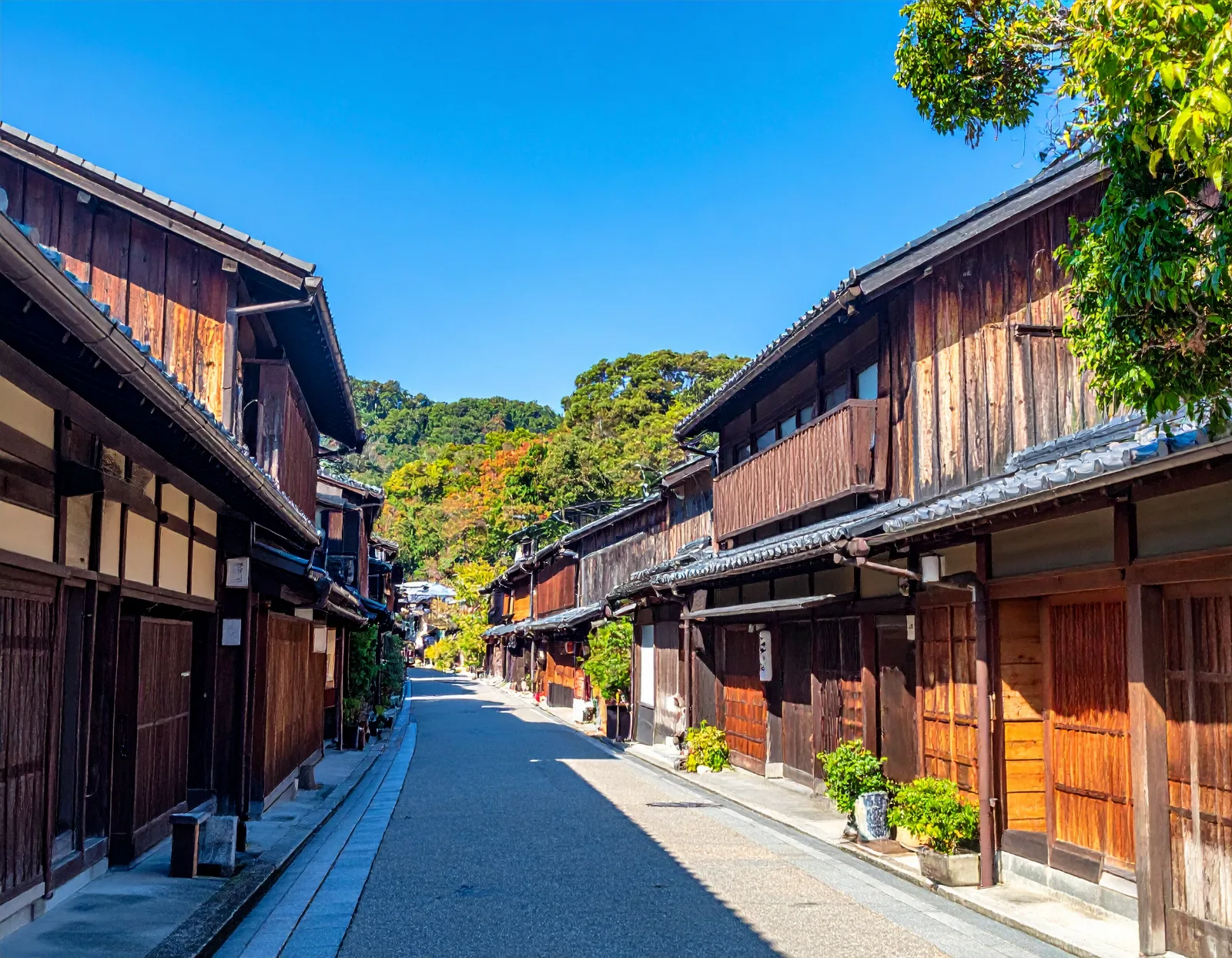
How do you combine a bus and a ferry to cover Naoshima and Teshima in one day with a 40-person group?
An individual traveler can check a ferry app at the terminal and adjust on the spot. A group of 40 cannot move that way, so the itinerary has to be built around a fixed sequence. Everyone gathers at one point in Okayama or Takamatsu, a chartered bus carries the group to the port, the party boards a scheduled ferry together, and the islands are explored on foot or by a local shuttle before the same sequence runs in reverse for the return.
What individual transit searches never show is that a group's real bottleneck sits at the port itself. Boarding and disembarking 40 people takes noticeably longer than the timetable gap between sailings suggests, so the schedule needs a buffer that a solo itinerary would never need.
From Takamatsu Port, a regular ferry reaches Naoshima's Miyanoura Port in about 50 to 60 minutes, or about 30 minutes by high-speed boat; Teshima is roughly 35 minutes away by high-speed boat. Covering both Naoshima and Teshima in a single day is realistic for a group that keeps its on-island time tight and takes the high-speed connections, while a group that wants to see Naoshima's museums without rushing is usually better served by dedicating the full day to one island and saving Teshima for a separate trip.
Okayama or Takamatsu: which should a group tour start from?
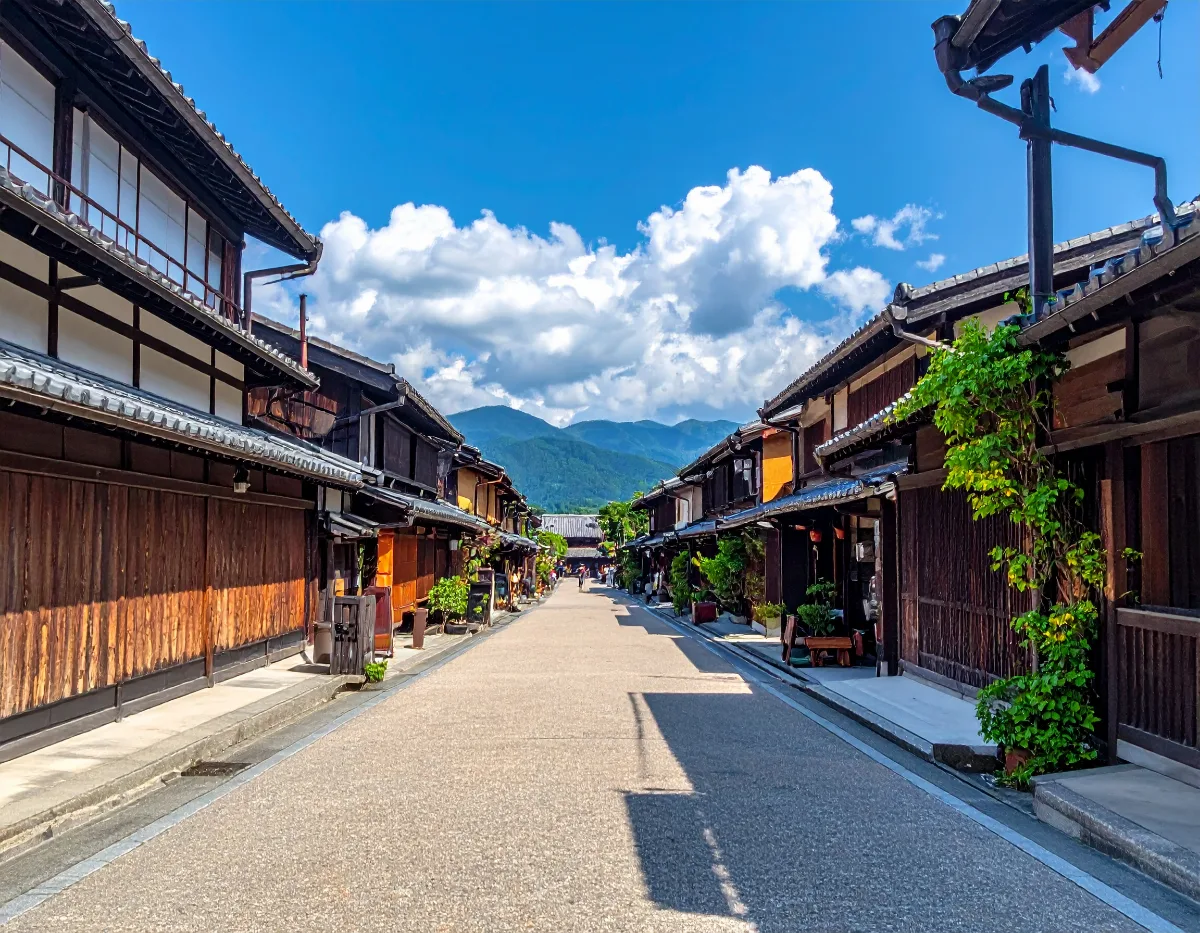
Uno Port in Tamano, on the Okayama side, is served by Shikoku Kisen ferries that can carry vehicles as well as passengers, and it connects naturally with a chartered bus bringing a group in from Okayama Airport or Okayama Station. Takamatsu Port, on the Kagawa side, has more frequent sailings to both Naoshima and Teshima, and the high-speed boats there cut the crossing time noticeably compared with the regular ferry.
Neither difference matters much for an individual traveler willing to wait for the next departure, but for a group holding a block of seats it decides how tightly the whole day can be timed. A chartered bus removes the transfer step entirely, moving the group from airport, station, or hotel straight to the pier without changing trains or buses along the way.
How do you manage ferry boarding numbers and wait times for a 40-person group?
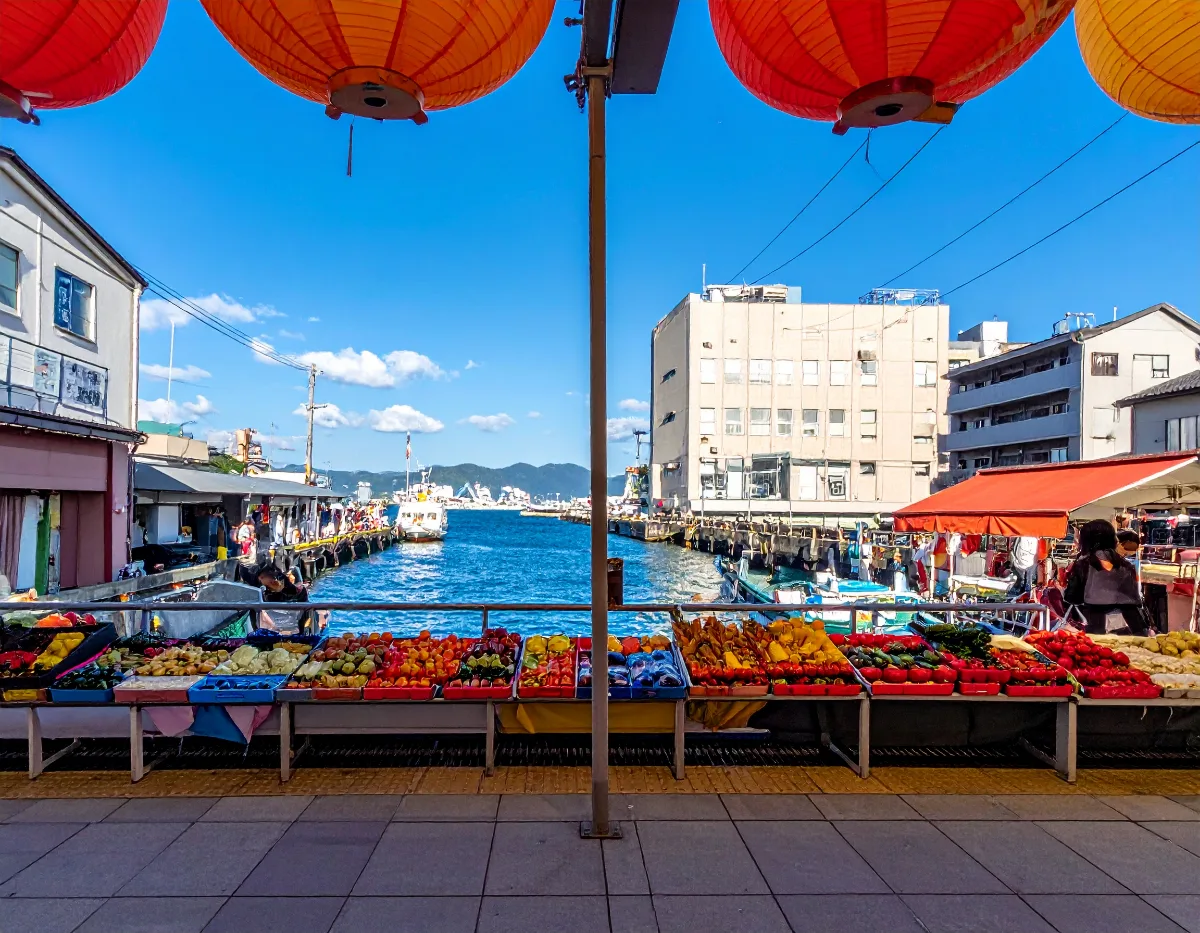
Shikoku Kisen, which operates the Naoshima and Teshima routes, sells a group discount ticket, but only over the counter and only for parties of 15 or more. That means the final headcount has to be confirmed before anyone can buy the tickets, not adjusted afterward. Each sailing also has a fixed passenger capacity, so a 40-person group sometimes needs to be split across two departures or given extra time at the terminal rather than assuming everyone will fit on the next boat.
This is also where the vehicle-carrying ferries at Uno Port differ from a bus-and-ferry combination. Taking a vehicle aboard means queuing and loading time, while leaving the chartered bus parked at the pier and walking the group aboard as foot passengers is the lighter, faster way to board with a large party.
Building a no-transfer route from the airport to the bus and the ferry
From Takamatsu Airport, an airport limousine bus service reaches Takamatsu Port in around 45 minutes, putting a group within one ferry crossing of Naoshima or Teshima. A chartered bus can cover the same airport-to-port stretch directly, keeping a large group and its luggage together in one vehicle instead of transferring partway.
From Okayama Airport, the public-transport route to Uno Port runs through an airport shuttle bus to Okayama Station, then a train to Uno Station, followed by a short walk to the port — two transfers before the group even reaches the pier, more than most parties want to manage with luggage in tow. A chartered bus covers the same Okayama Airport-to-Uno Port stretch in a single ride with no transfers, and the group's bags travel in the bus's hold rather than being carried through two stations.
What should a group visiting during the art festival season plan for early?
The Setouchi Triennale runs across the islands of the Seto Inland Sea in spring, summer, and autumn sessions during its host year, then goes quiet for a stretch of years before the next edition comes around, so checking whether a session is actually running is worth doing well before a group locks in its route. Naoshima and Teshima are both regular stops on the circuit, along with several of the smaller islands nearby, so a session in progress can reshape which ferries and museum slots are realistically available on a given day.
During any session, visitor numbers on the islands rise, and both ferry sailings and museum entry slots fill up faster than in the off-season — every museum on Naoshima operates by advance reservation. A group planning a visit during festival season benefits from locking in ferry bookings and museum time slots well ahead of the trip, since the mix of visitors shifts as the session goes on.
Groups with a Setouchi trip in mind have an unusually long runway to fix their route, their port of departure, and their museum reservations before a session gets busy. Settling those pieces early leaves the rest of the planning — the bus, the ferry timing, the on-island schedule — much easier to lock down.
What does the operating bus company handle on the day, from meeting point to boarding?
On the day itself, the crew of the chartered bus we arrange takes the group through the parts that are easy to get wrong with a large party. That includes a roll call at the meeting point, loading and unloading everyone's luggage into the bus's hold, and guiding the group from the bus to the ferry gate without anyone drifting toward the wrong pier.
Because the same routes are run repeatedly, the crew knows exactly where the bus-to-ferry changeover gets confusing — a gate that looks like the wrong terminal, a walkway that splits toward two different piers — and steers the group through it before it becomes a delay. A Japanese-speaking tour leader accompanies the group throughout these transfers, staying close through the ticket gates and down to the boarding ramp so that boarding announcements and terminal procedures reach the whole party.
No one in the party has to puzzle out the ferry terminal alone, and that's usually what a 40-person group notices most by the time the boat pulls away from the pier.
A route built around a specific pair of islands is easiest to plan with a quote tailored to the group's headcount and itinerary — request a group estimate for the numbers and stops you have in mind, or browse sample charter itineraries for how a bus-and-ferry day is usually structured.
