Kamakura Group Walking and Bus Route: Where Large Groups Switch Between Coach and Foot
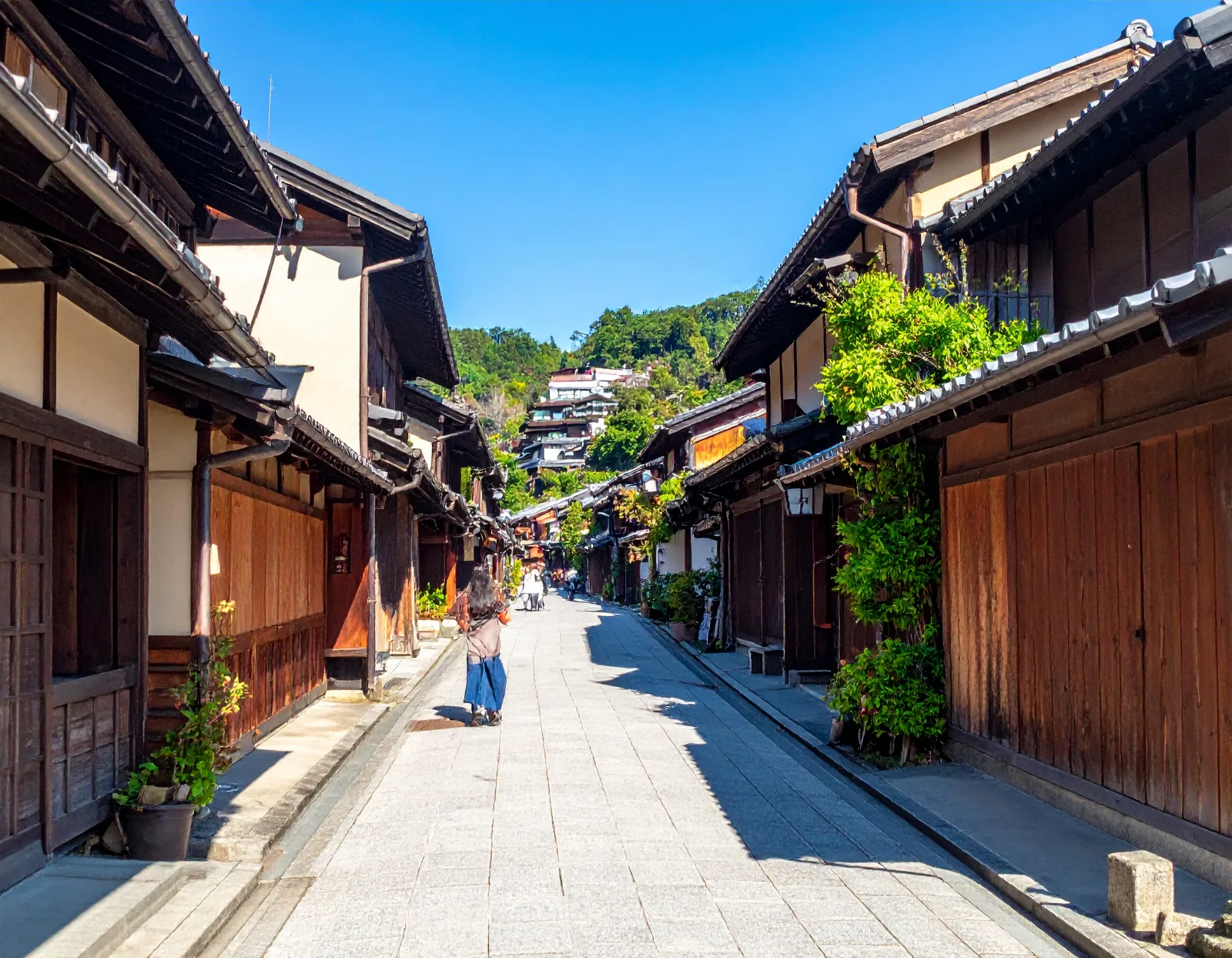
Where Group Tours Switch From Walking to Coach in Kamakura
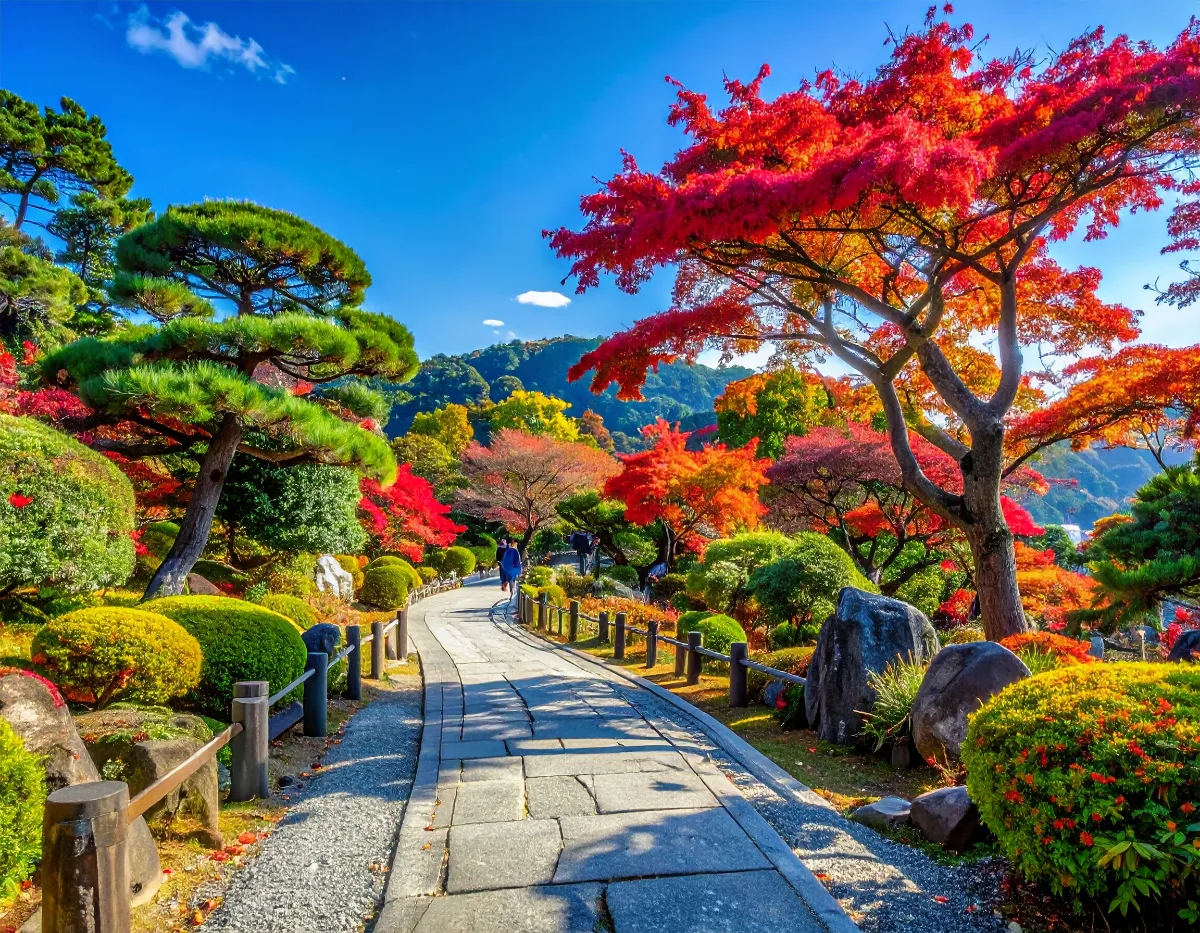
Kamakura's temples and shrines are often shown on travel blogs as one long, leisurely walk between Kamakura Station, the Great Buddha, and the sea. For a school group, company outing, or club trip of twenty, forty, or more people, that same route eats up far more time than it does for a solo traveller. Try to walk the entire loop as one large group and you can lose an hour or more just waiting for stragglers at crossings, leaving little time for the temples themselves.
The fix is to treat the day as a series of short walks connected by a chartered coach, rather than one continuous hike. Three stretches work well on foot even with a large group: Kotoku-in (the Great Buddha) to Hase-dera is about a 5-minute walk; Hase-dera back toward Kamakura Station via Hase Station is roughly 20 minutes; and Kamakura Station to Tsurugaoka Hachimangu Shrine along Komachi-dori is about 10 minutes. Everything between those walking segments, including the approach to the Great Buddha itself, is better covered by coach, both to save time and to keep the group together.
Coach Drop-off Points and Parking for Large Groups
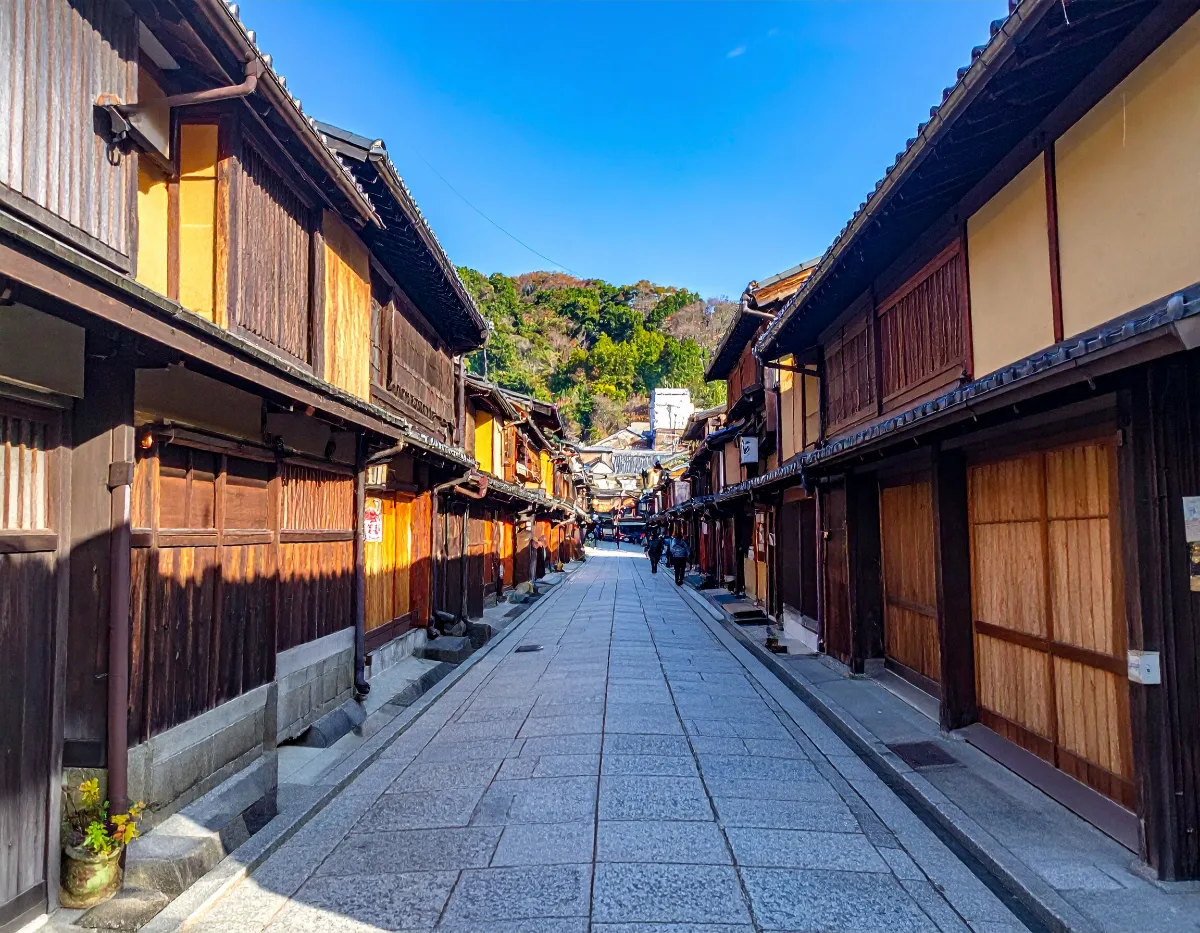
From Kamakura Station's East Exit bus terminal, the local route buses leaving from platform 1 or platform 6 run to the "Daibutsu-mae" stop, putting riders about a 1-minute walk from the Niomon gate of Kotoku-in. A chartered coach can follow the same approach, dropping the group near the gate before moving on to parking.
Large coaches cannot simply pull over and wait on Kamakura's streets - the city asks drivers to avoid curbside stops and idling, since they block emergency vehicles and add to congestion - so every charter plan needs a reserved parking space built in from the start.
Tsurugaoka Hachimangu's visitor parking lot accepts large-bus reservations at 2,000 yen for the first hour and 1,000 yen per additional 20 minutes, and the lot in front of Kamakura-gu Shrine charges a flat 2,500 yen per day for large sightseeing buses.
Because signage, reservation forms, and parking staff instructions are almost entirely in Japanese, a Japanese-speaking party leader must accompany the group on board to confirm the reserved slot and coordinate pickup timing with the coach crew.
Timing Your Route to Avoid Kamakura's Crowds and Traffic Restrictions
Komachi-dori is narrow by design, and the crowd level shifts sharply through the day. Between roughly 9 and 10 a.m. the street is still walkable as a group; by early afternoon, around 1 p.m., it becomes shoulder-to-shoulder busy. Groups get the easiest time keeping everyone together by walking Komachi-dori in the morning rather than after lunch.
The coach schedule needs its own timing adjustment. Three intersections - Hachimangu-mae, Tokiwaguchi, and Shimouma - restrict bus entry from 7:00 to 9:00 a.m. and again from 4:00 to 6:00 p.m., so any coach movement near the shrine or station should be planned outside those windows. If a trip falls around the New Year holidays, be aware that the area around Kamakura Station and the city centre sees large-scale traffic restrictions for several days at the turn of the year, closing off normal routes for both cars and buses; groups travelling in that window should plan an alternate route or adjust the schedule in advance.
Group Logistics: Restrooms, Food Breaks, and Keeping Everyone Together
Komachi-dori has few public restrooms, and the ones that exist tend to form lines quickly once the street fills up. It works better to have the whole group use the restrooms at Tsurugaoka Hachimangu or at Kamakura Station before entering the shopping street, rather than hoping to find one partway through.
The street is also a popular spot for snacking while walking, but it is narrow enough that a large group eating on the move tends to break into a long, straggling line and crowd out other visitors. A better approach is to let the group buy snacks along Komachi-dori but regroup and eat together at a wider spot, such as near the shrine's torii gate, once everyone has caught up. For the hand-off between walking and coach, setting the pickup point at the same spot where the walking segment turns back, rather than somewhere new, cuts down on confusion and keeps the party leader from having to herd people across an unfamiliar junction. On rainy days, swap the outdoor-heavy route for one centred on covered or indoor spaces: Tsurugaoka Hachimangu's vermilion halls look especially striking in the rain, and Kita-Kamakura's Engaku-ji, Kenchoji, and the Kamakura Museum of National Treasures all offer shelter without losing the sightseeing value of the day.
Sample Group Itineraries: Half-Day and Full-Day Plans for Kamakura
A half-day plan works well for a tight school schedule: gather at the coach, ride to Daibutsu-mae, walk the Great Buddha and Hase-dera loop, walk back toward Kamakura Station, ride the coach to Tsurugaoka Hachimangu for a restroom break and a short visit, then walk Komachi-dori back to the station for dismissal, with extra time built in around each walking hand-off for headcounts and restroom stops.
Since parking reservations and coach size depend on the group's headcount and the rest of the day's plan, it helps to build the quote around your specific group and itinerary rather than assuming a standard package.
A full-day version keeps the same stops but adds breathing room: a longer stay at Hase-dera, a sit-down lunch break near the shrine, and more free time on Komachi-dori for browsing and photos, before the coach collects everyone at the original drop-off point for the ride back.
Company trips tend to do best with extra unstructured free time worked into the Komachi-dori and shrine stretch, while club and circle trips often want time set aside specifically for photos and snack breaks rather than a fixed schedule.
Either way, the walk back along Komachi-dori comes in the day's last stretch of daylight - bags in hand, the shrine gate receding behind the group - and it's usually that quiet walk, not the ride itself, that marks the moment the trip winds down, right up until everyone boards the coach for home.
