Kyoto Three Day Group Itinerary: Walkable Days by Charter Coach
Kyoto 3-Day Group Model Itinerary | For Bus Tours, Higashiyama → Arashiyama → Kinkakuji/Imperial Palace Is Most Efficient
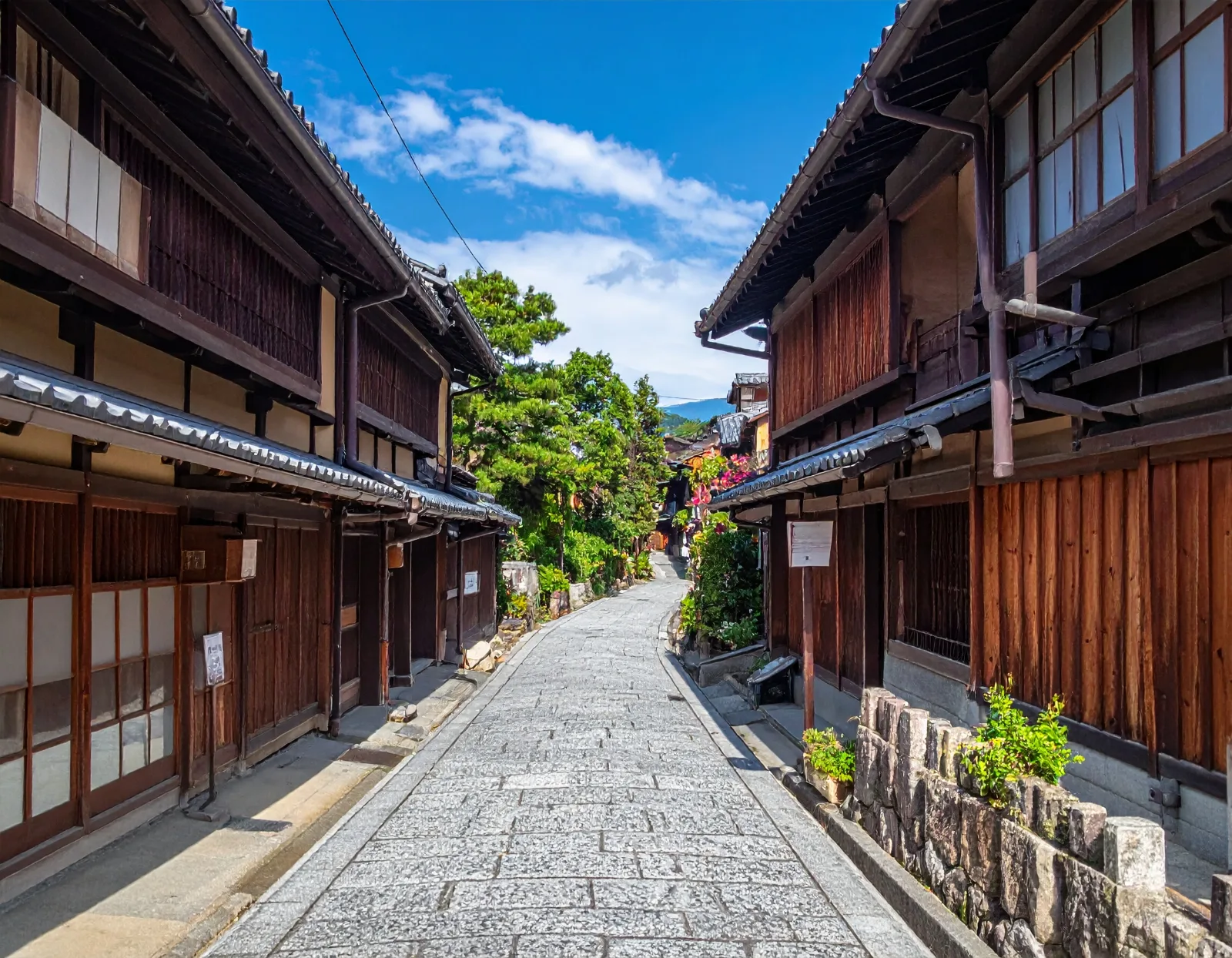
A traveler on foot can zigzag across Kyoto however they like, but a group moving by charter coach cannot. Large buses need dedicated parking lots, fixed pick-up points, and enough turnaround time to get in and out safely, so the order you visit places in actually changes how smoothly the whole trip runs. A model itinerary that works well for a three day group trip splits the city by district rather than by "must-see" lists. Day one covers the Higashiyama side of town: Fushimi Inari Taisha in the morning, Kiyomizu-dera at midday, and a slower walk through Gion in the late afternoon. Day two shifts west to Arashiyama, where the bamboo grove, Tenryu-ji, and the Arashiyama Monkey Park sit close enough together to cover on foot once the coach is parked. Day three moves back toward the center of the city for Kinkaku-ji, the Kyoto Imperial Palace grounds, and Nijo Castle. Because every stop depends on where the coach can legally wait, a travel agency that specializes in group arrangements plans the loading points before the drop-off order, not after.
Visiting Fushimi Inari Taisha by Tour Bus: Where Does the Group Get On and Off?
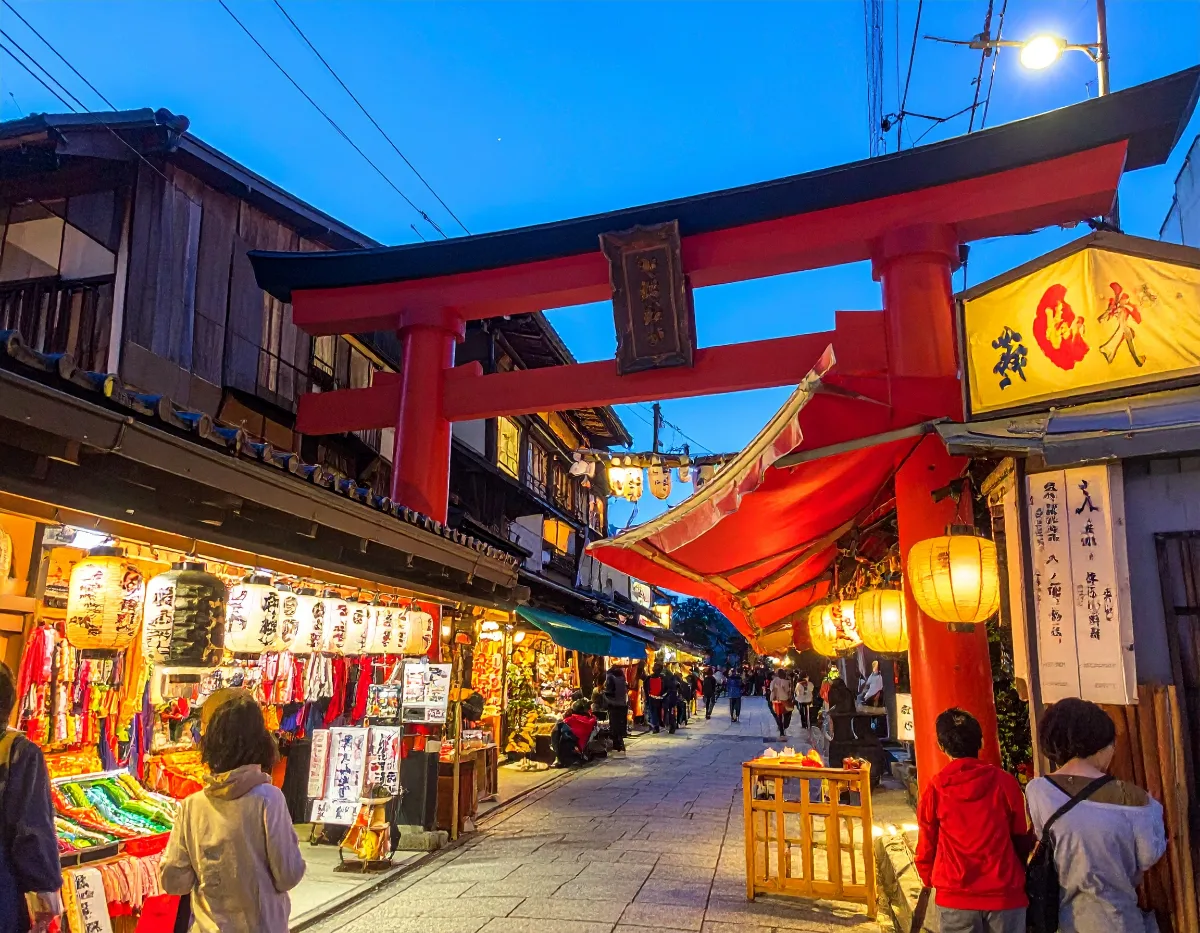
Fushimi Inari does not accept advance parking reservations for tour buses, which surprises a lot of first-time group organizers. In practice, coaches use a two-step system. Parking Lot 2 is for drop-off and pick-up only, costs 2,500 yen per use, and is open from 9:00 to 18:00; the coach needs to unload passengers and leave the lot promptly rather than waiting there. Parking Lot 3 is the waiting lot, holds roughly 80 vehicles, is free of charge, and operates from 9:00 to 17:00 — this is where the coach sits once the group has been dropped off. From Lot 2, it is about a 10-minute walk to the main torii gate at the start of the shrine approach, so building in a little extra time before setting a group meeting point keeps everyone relaxed instead of rushing back.
Kiyomizu-dera Area Moves to Full Reservation System for Tour Buses Starting Fall 2026 | Parking Info
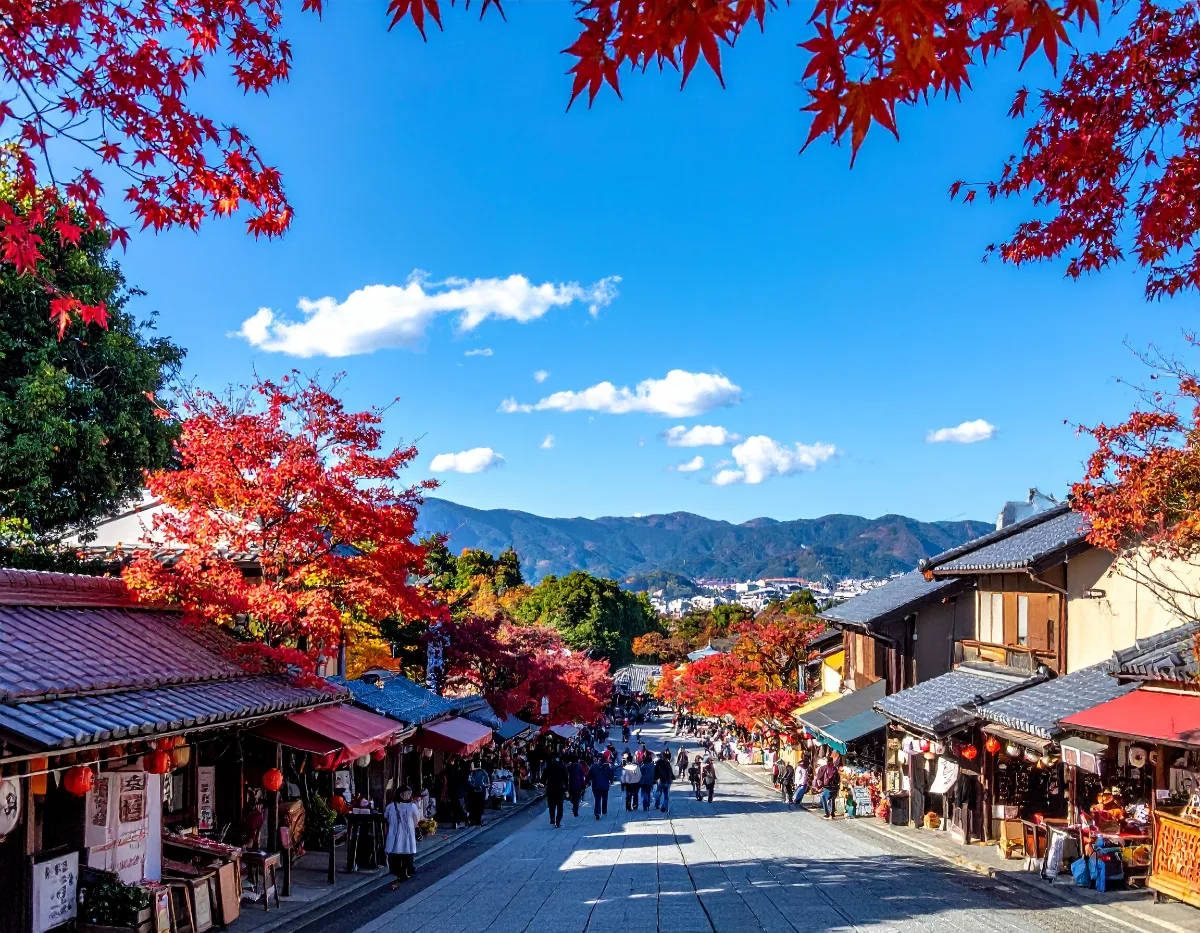
The Kiyomizuzaka Tourist Parking Lot nearest the temple holds 55 buses and charges 2,610 yen per use, which has long made it the standard stop for groups heading up to Kiyomizu-dera. Starting sometime this autumn, the lot is shifting to a fully reservation-based system for tour buses, so a same-day arrival without a booking is no longer realistic during that stretch of the season. Groups traveling in this period should lock in a reservation well ahead of the visit date and build the itinerary around it. Pairing a reserved morning slot at Kiyomizu-dera with a stroll through Gion right afterward makes efficient use of the time before the coach needs to move on to the next stop.
Parking a Large Bus in Arashiyama | Reservations Open Three Months in Advance
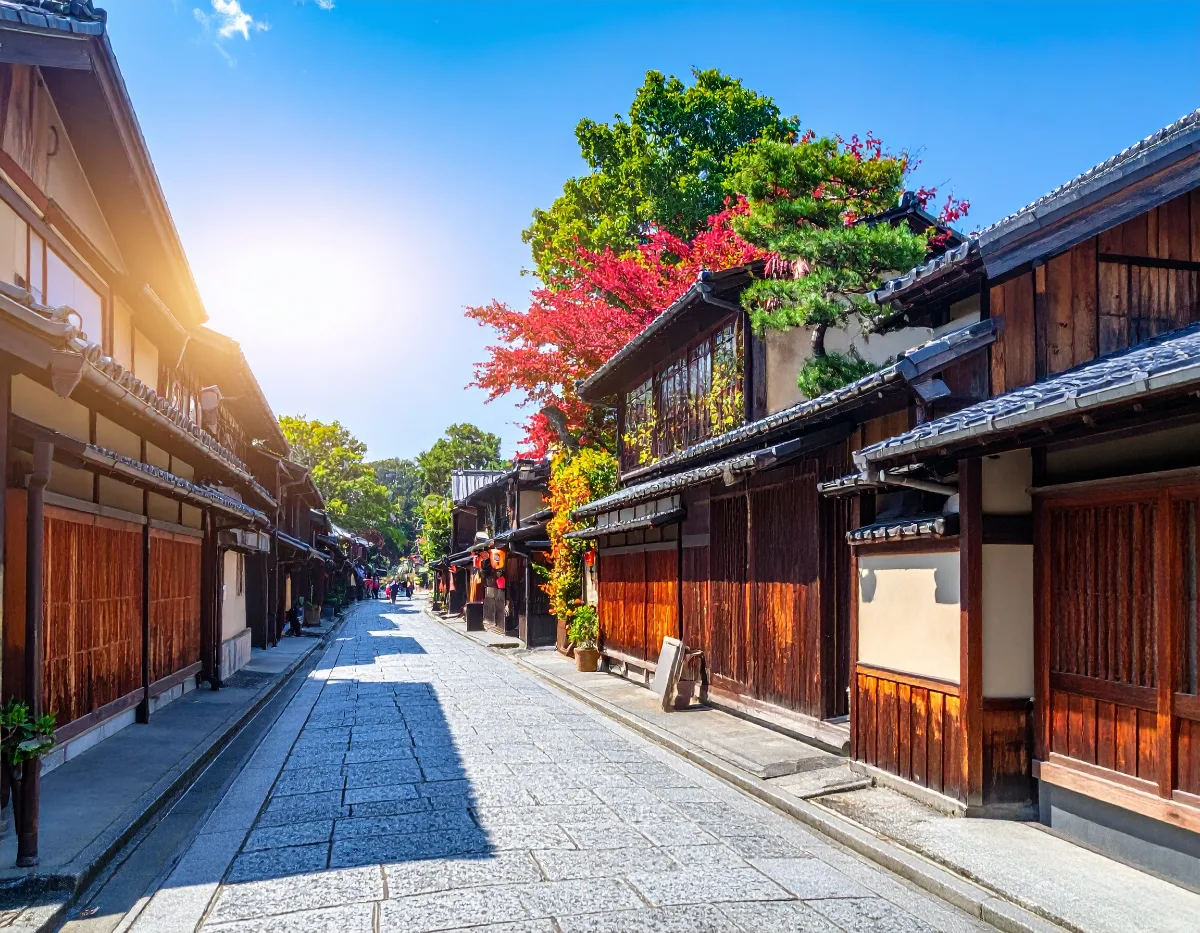
The Kyoto City Arashiyama Tourist Parking Lot takes 37 buses and runs on a reservation system that opens three months before the date of use, with tour coaches given priority over private cars. During the busiest weeks, the lot can turn away private vehicles altogether to keep space available for groups. Once parked, the bamboo grove, Tenryu-ji, and the Monkey Park can all be covered on foot in a loop, which is part of why this district works so well as its own dedicated day. Autumn leaves in Arashiyama are expected to reach their peak sometime in the heart of leaf-viewing season this year, so weekday mornings during that stretch are the safest bet for groups that want to see the color without fighting crowds at every turn.
Day 3: Kinkakuji, Kyoto Imperial Palace, and Nijo Castle | Route Order and Drop-off Etiquette
For the third day, running Kinkaku-ji first, then the Kyoto Imperial Palace grounds, then Nijo Castle keeps the group moving in one general direction instead of backtracking across town. Kyoto City has also added awareness signage at 13 locations citywide asking tour buses not to linger roadside, a reminder that keeping drop-offs brisk matters just as much here as it does at the shrines and temples earlier in the trip. Scheduling the group's lunch stop between the morning and afternoon halves of the day gives the coach a natural, legitimate reason to park for a longer stretch, rather than idling near a sightseeing entrance.
How Seasonal Changes Affect Group Touring | Avoiding Crowds During Autumn Leaf Season
Autumn colors reach their peak in Arashiyama a little earlier than at Eikando, Tofuku-ji, Kodai-ji, and Maruyama Park, which tend to turn later in the season. Because these are also the most visited weeks of the year, building the itinerary around early weekday mornings makes the biggest difference for a group trying to avoid long waits at parking lots and entrances. Outside of leaf-viewing season, the three day route can flex more freely, and the visiting order can shift depending on which parking lots happen to be open on a given day. Groups traveling between Osaka and Kyoto also often add a half day at Osaka Castle and Dotonbori on either end of this itinerary, since both sit close to typical coach pick-up points in Osaka. The coach itself quietly becomes part of the itinerary logic here too — once a group has somewhere steady to return to between stops, the rest of the three days stop feeling like a race against the next parking slot.
A Japanese-speaking party leader must accompany the group on board.
