Mount Fuji Viewpoints by Tour Bus: A Timed Group Route
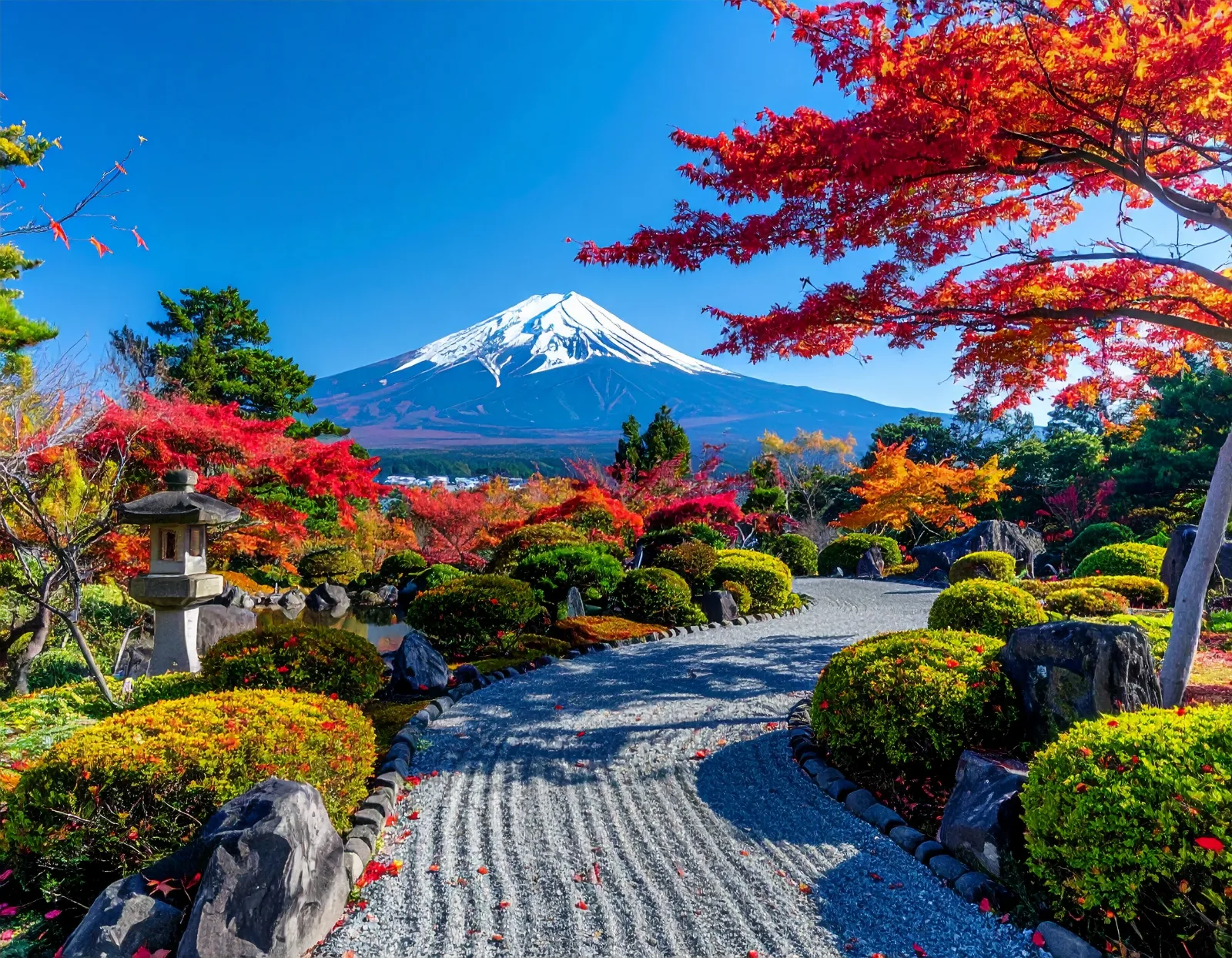
One-Day Group Bus Itinerary for Mount Fuji Viewpoints: Kawaguchiko, Oshino Hakkai, and Arakurayama Sengen Park
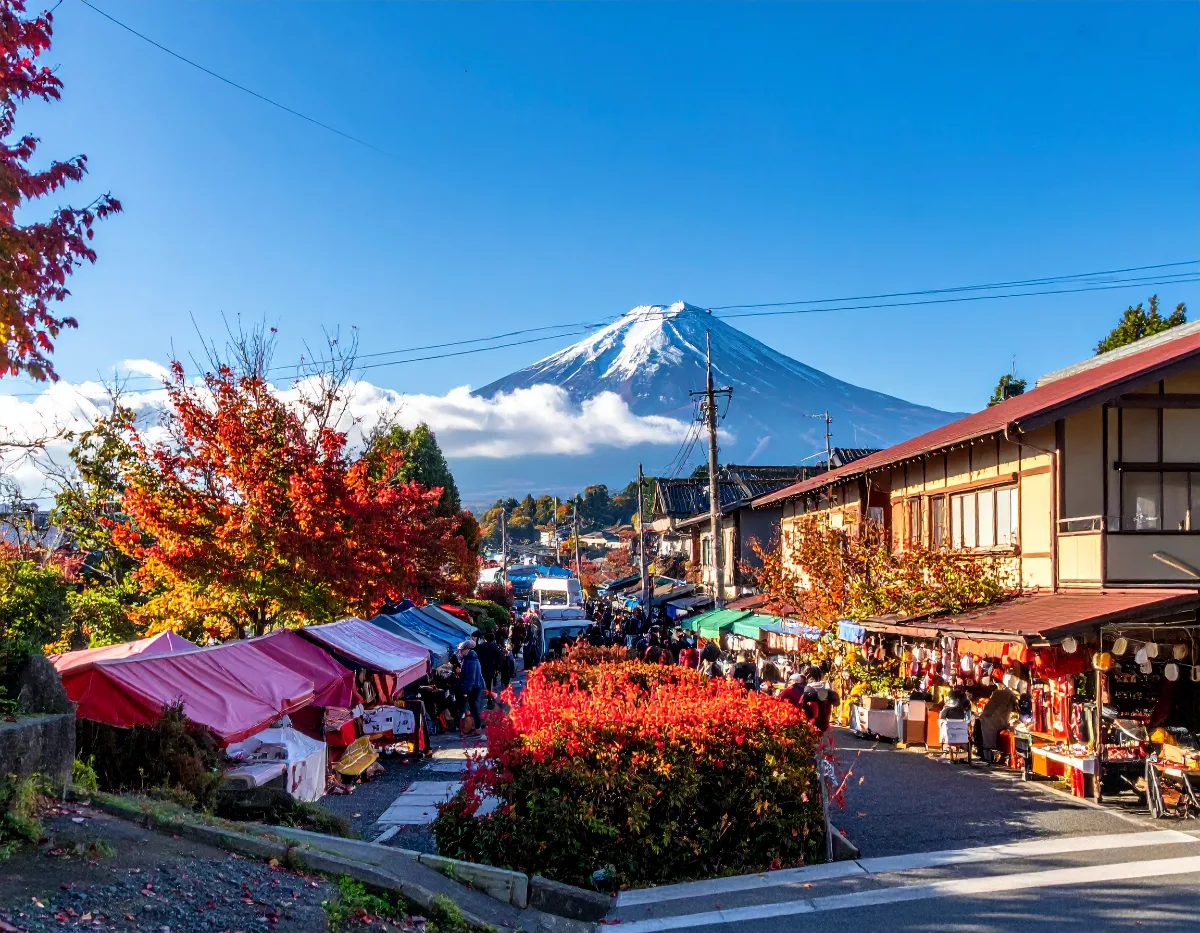
For a group of 40 to 50 travelers moving by chartered coach, the order of stops matters as much as the stops themselves. A workable timeline starts with an early departure from Tokyo so the group reaches Oshino Hakkai before 9:00, ahead of the wave of tour buses that begins arriving soon after and builds into the busiest window between 10:00 and 14:00. After 40 minutes to an hour at the ponds, the coach can move on to Lake Kawaguchiko's Oishi Park for an open lakeside view of the mountain, followed by lunch nearby. In the afternoon, travelers who are comfortable walking can climb to the Arakurayama Sengen Park observation deck, budgeting roughly 1 to 1.5 hours including photos, before heading back. Building in a rest-room break and a short briefing from the party leader before each walking stop keeps a group this size moving smoothly without rushing anyone.
Where Large Tour Buses Can Actually Park: Direct Access Points and Workarounds
Not every viewpoint welcomes a large coach directly. Oishi Park has a free lot sized for 3 large buses plus 30 cars, making it an easy first or last stop for a sizable group. The parking area at the Mount Fuji Panorama Ropeway, by contrast, holds only 13 spaces and cannot take a large bus at all, so the practical route is to park at the free prefectural lot along the lake, which holds around 300 cars, and walk in from there. At Shindo Pass, the FUJIYAMA Twin Terrace viewpoint bans both private cars and buses from driving up to it; visitors must transfer to a small shuttle, and a group of 40 to 50 should expect to split into smaller shuttle loads with some waiting time built into the schedule. Since parking arrangements and shuttle transfers at this stop are handled on-site in Japanese, it's worth confirming in advance what support will be available to help the group through this step smoothly.
Can a Group Climb to the Arakurayama Sengen Park Observation Deck? Timing and Options for Less Mobile Travelers
Reaching the observation deck at Arakurayama Sengen Park means climbing 398 stone steps, a walk of about 15 to 20 minutes each way, so a round trip with time for photos typically runs 1 to 1.5 hours. Because the stairs create a real difference in pace between travelers, splitting the group into a faster and a slower party with staggered meeting times at the bottom works better than trying to keep everyone together on the steps. For travelers who would rather skip the climb, pairing this stop with Oishi Park, where the mountain and lake are visible right from the parking area with no stairs involved, gives everyone a Fuji view regardless of mobility. During cherry blossom season specifically, traffic control is in effect near the park, and tour buses must use the designated Civic Hall Parking Lot 2 south of the Fujiyoshida Police Station, where a 3,000 yen parking cooperation fee applies.
What Time Should a Group Visit Oshino Hakkai to Avoid the Crowds?
Tour bus arrivals at Oshino Hakkai start picking up from around 9:00 and stay heavy from 10:00 to 14:00, so arriving before 9:00 or returning after 15:00 are the two reliable windows for a group that wants room to walk and take photos. The full loop around all eight ponds covers about 2.3 kilometers, with roughly a 15-minute walk just to reach the far pond, Deguchi Ike. For a group on a schedule, focusing on three or four of the main ponds takes about 40 minutes to an hour, while the complete eight-pond circuit takes closer to 1.5 to 2 hours. There is no single village-run lot here, only scattered private lots charging around 300 yen a day, so it helps to decide the coach's waiting spot in advance rather than searching for parking on arrival.
Does the Time of Day Change How Well You Can See Mount Fuji by Season?
Across the seasons, mornings tend to offer clearer air and a better chance of an unobstructed view of the mountain, a pattern that bus crews notice repeatedly on these routes regardless of the time of year. Building an itinerary around an early departure takes advantage of that tendency rather than leaving the best viewing window to chance later in the day. Even on a day when cloud cover hides the summit, the Kawaguchiko and Oshino Hakkai areas still have plenty to enjoy on their own, from the lakeside scenery at Oishi Park to the spring-fed ponds themselves, so a well-planned route holds up even if the mountain stays shy.
A Japanese-speaking party leader must accompany the group on board.
