Nara Half-Day Group Itinerary Guide
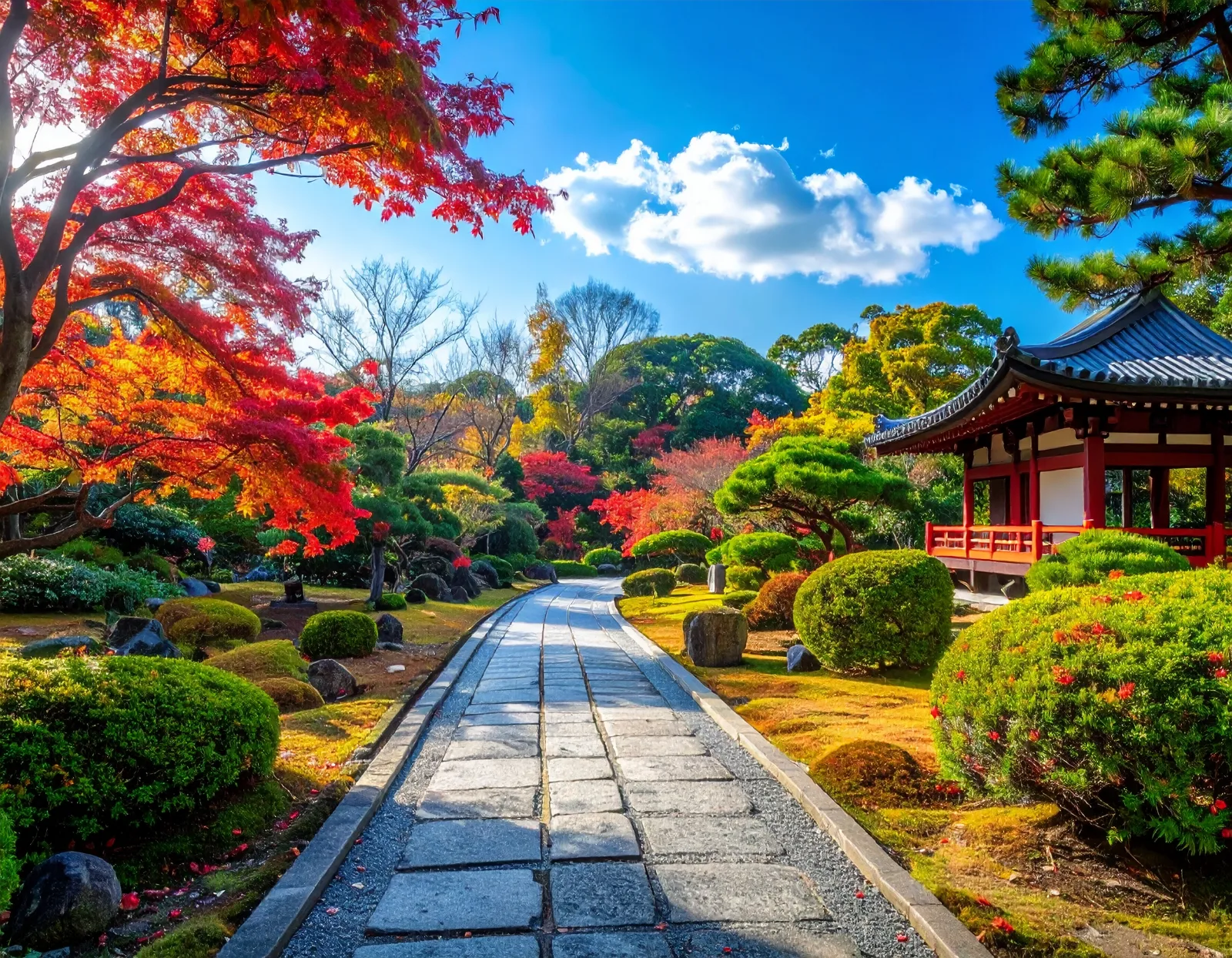
How to See Todai-ji, the Deer Park, and Kasuga Taisha in Half a Day
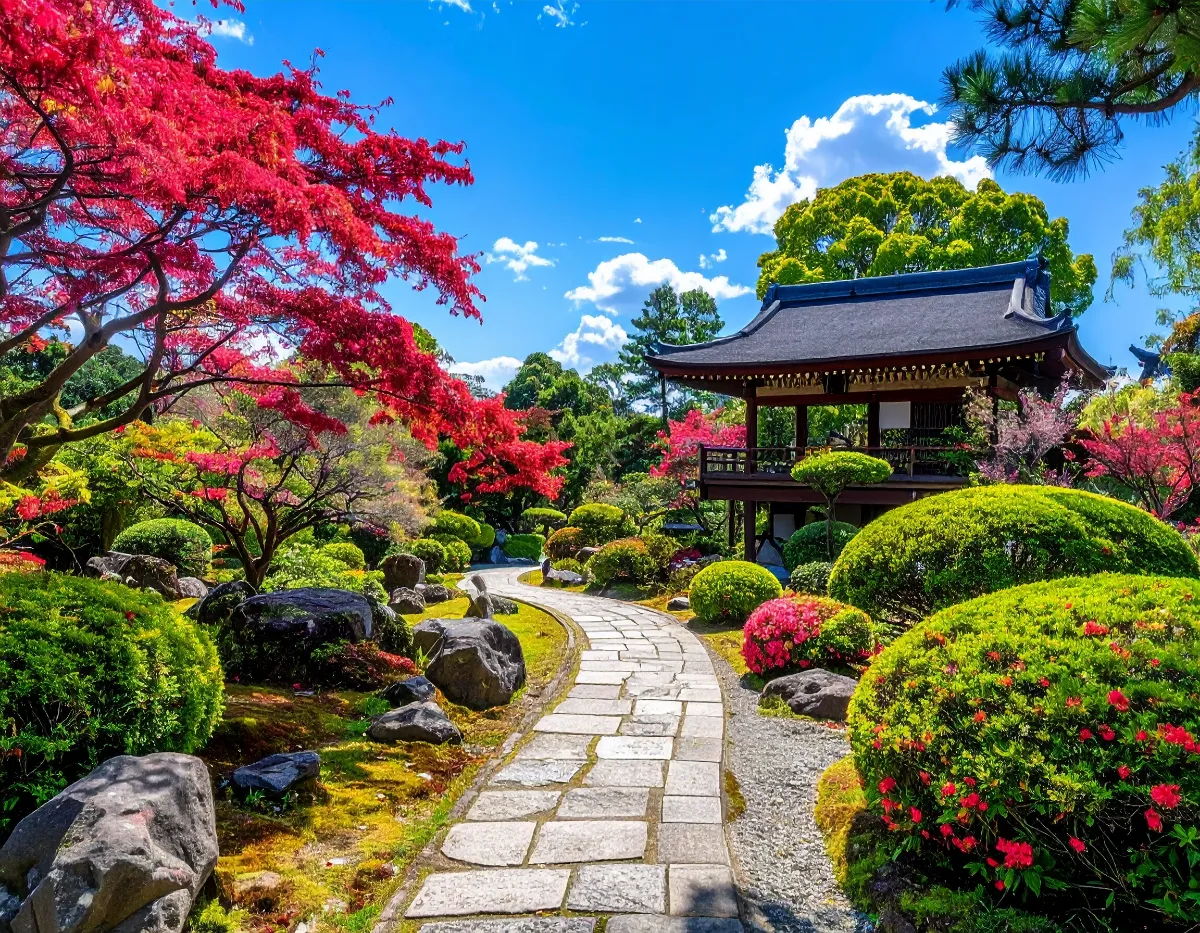
A classic way to cover central Nara's highlights with a group is to work through Kofuku-ji, Todai-ji, the deer park, and Kasuga Taisha in that order, moving generally south to north through Nara Park. For a large group traveling together, roughly four hours is a realistic block of time to hold once a coach is involved, since it needs to allow for walking pace, photo stops, and getting everyone back on board.
Movement time varies depending on which sites are included:
- A loop covering the three World Heritage sites, Kofuku-ji, Todai-ji, and Kasuga Taisha, with separate viewing time set aside, takes about two hours of walking and transfers.
- If a group only has time for the two main sites, Todai-ji and Kasuga Taisha, that pairing runs closer to 60 minutes.
- A course that takes in more of the Nara Park area generally runs about 90 minutes.
Building a half-day plan usually means choosing one of these movement blocks and layering viewing time, the deer park, and lunch around it. When requesting a quote for this kind of itinerary, mentioning which movement block you're aiming for and the total headcount upfront makes it much easier to pin down a workable pickup and drop-off window from the start.
Where Do Large Buses Pick Up and Drop Off Groups in Nara Park?
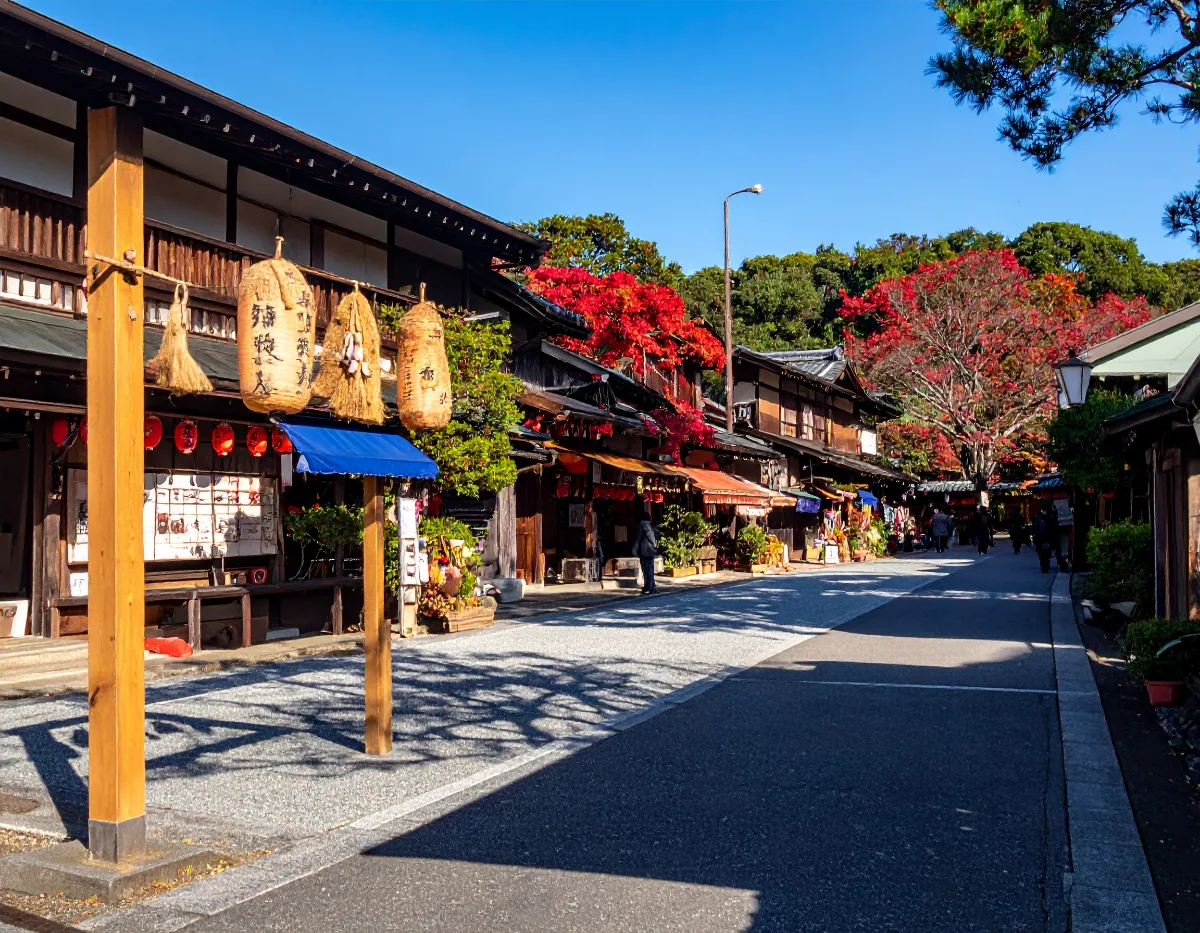
Groups visiting in a coach generally board and alight at the Nara Park Bus Terminal, right at the edge of the park. Once passengers are dropped off, the bus itself does not wait there.
Here is how the parking and pickup arrangement generally works:
- After drop-off, the coach moves on to a standby lot, either the Takahata parking area about 1.5 km away or the Kami-mitsuhashi staging area about 6 km away, and returns later for pickup.
- The terminal and both standby lots require advance reservation, and usage fees apply; it is best to confirm the details when booking.
- On the day itself, availability can only be checked by phone during a narrow morning window, not online.
Because of this reservation system, it helps to settle the return time before the trip and build it into the half-day schedule. In practice, it works best to pass that preferred return time to the bus company as early as possible, since the coach needs enough lead time to leave the standby lot and loop back to the terminal; building in a few minutes of buffer around that window keeps the rest of the schedule from feeling rushed.
Can the Bus Enter Naramachi, or Should the Group Walk?
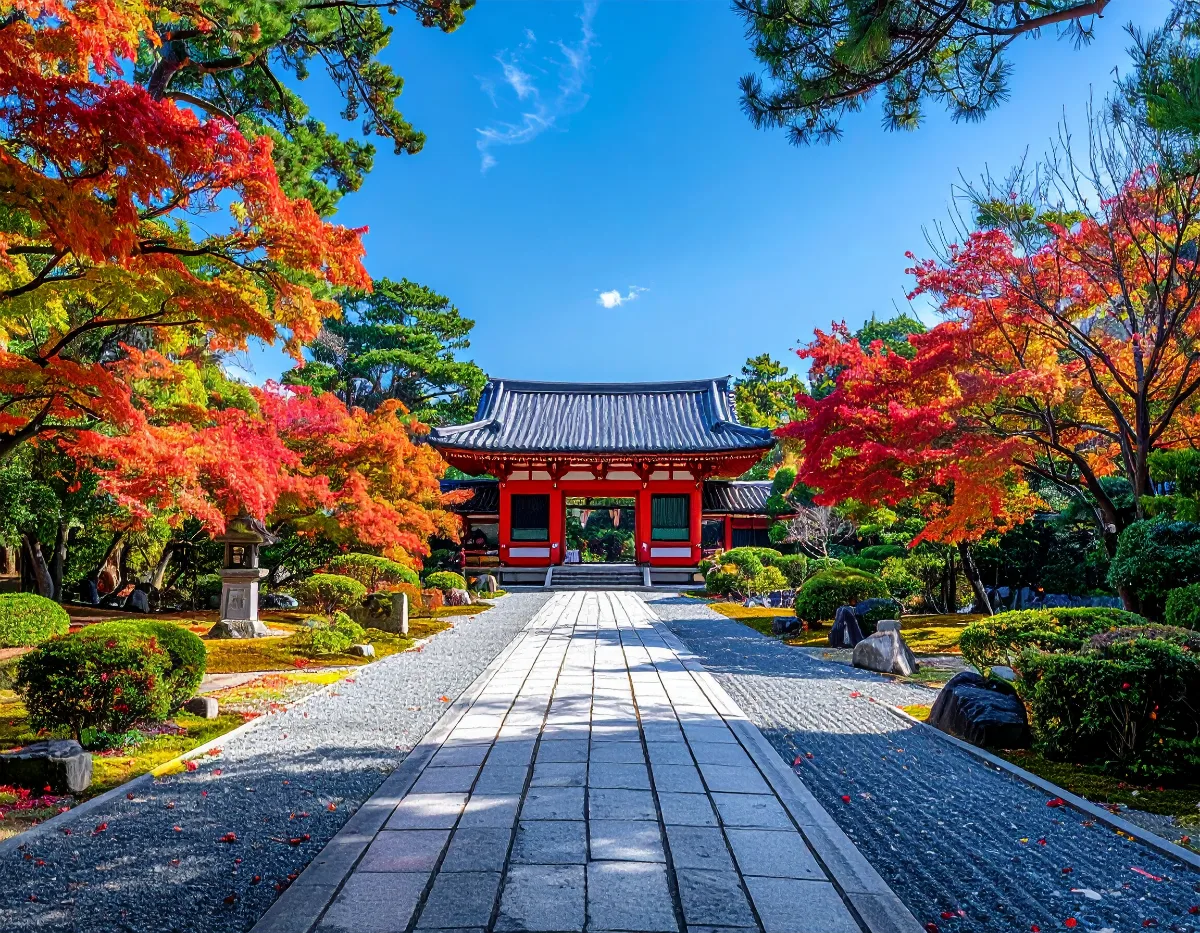
If a half-day plan includes a stroll through Naramachi, the old merchant quarter south of the park, it helps to know that most of its streets are too narrow for a large coach, aside from a few wider roads such as the main Naramachi avenue. The usual approach is to drop the group near the Tanaka-cho bus stop, which functions as the southern gateway to the district, and continue on foot from there. Because the lanes are compact and full of small shops and old townhouses, a 20 to 30 minute walking window is normally enough to get a feel for the neighborhood without crowding the rest of the half-day schedule.
How Do You Arrange Lunch for a Large Group?
Group dining near Nara Park works best when the room size is matched to the group in advance. Nara Nagomikan, a restaurant built for group bookings close to the park, offers a first-floor hall for up to 88 guests, a larger second-floor room called Hibino for up to 204, a Wakakusa Terrace room for up to 52, and two smaller private rooms, Bambi for up to 28 and Shikamaro-kun for up to 20. Slotting lunch in right after the Todai-ji and deer park section of the walk, before moving on to Kasuga Taisha, tends to keep the afternoon from running long. When booking, it is worth confirming the final headcount and giving the restaurant a realistic arrival time window, since coach travel times can shift slightly depending on park crowds.
What Should Group Leaders Know About the Deer Park?
The deer in Nara Park are used to visitors, but a few habits make the experience smoother for a group. Only the official deer crackers should be offered; the deer may try to grab or mouth anything else, including plastic bags, maps, or printed itineraries, so it is best to keep those out of sight. Crackers should be handed over one at a time and fairly quickly, and once they run out, showing both empty hands clearly signals to the deer that there is nothing left. For a sizable group, splitting into smaller clusters of five or six makes it easier to keep everyone together and avoids any one person being surrounded by several deer at once. After the encounter, it is a good habit to have everyone check their hands and clothing briefly before moving on.
How Should the Plan Change for Rain, Elderly Guests, or School Groups?
Todai-ji's Great Buddha Hall is relatively easy to adapt for guests with limited mobility: the approach from the Daibutsuden intersection and the interior of the hall itself both have a wheelchair-accessible route. Nigatsu-do, Hokke-do (also called Sangatsu-do), and Kaidan-in are a different story; each has steps that make wheelchair access to the interior impossible, so groups with guests who may struggle on stairs should plan to view these from outside or consider a sightseeing taxi for part of the route. On a rainy day, the simplest adjustment is to shorten time spent outdoors in the deer park and lean more heavily on the indoor portions of Todai-ji, keeping the rest of the half-day order intact.
For school groups, the main adjustment is less about the sights themselves and more about keeping a larger block of students organized. Splitting into the same five- or six-person clusters used for the deer encounter tends to carry over well to the walk through Naramachi and the approach to Kasuga Taisha, since the narrow lanes and the stone lantern path make it hard for a single supervisor to watch a large group at once. Setting a clear gathering point before moving on from each stop, where the whole group reassembles before continuing, tends to hold up better than trying to keep everyone moving as one unit across the whole half day. By the time the group reaches the lantern-lined approach to Kasuga Taisha, the pace naturally slows on its own, and the long rows of stone lanterns fading back into the cedar trees are usually enough to quiet even the most restless cluster of students.
A Japanese-speaking party leader must accompany the group on board.
