Visiting Traditional Craft Workshops in Japan: Where Can a Charter Bus Actually Stop?
Visiting Traditional Craft Workshops in Japan: Where Can a Charter Bus Actually Stop?
When a school club, a company group, or a circle of friends plans a visit to Japanese craft workshops, the first question to settle is not what everyone will make, but whether a 20-to-45-seat charter bus can actually pull up near the entrance. That single detail shapes the whole day far more than the workshop experience itself.
The Kyoto Museum of Traditional Crafts, located next to Miyako Messe, publishes clear information about group capacity, but the exact flow for bus drop-off and pickup is worth confirming directly with the venue before the route is finalized.
Several pottery studios in Tokoname, Aichi Prefecture, offer group programs aimed at school clubs and company outings, and most can welcome groups of seven or more at once, which makes them an easier stop for a bus to work around. Even so, it is worth checking directly with each studio about where a bus can wait nearby during the lesson.
Not every workshop works the same way. Nara Fude Tanaka, known for its brush-making experience, has no dedicated parking lot of its own, so visitors rely on nearby coin-operated parking. A 20-to-45-seat bus pulling right up to the storefront simply isn't realistic there, and it's a detail worth knowing before building the route. Sorting out what is physically possible for the bus comes before requesting a quote.
How Many People Can Each Workshop Accommodate, and How Long Does Each Visit Take?
Group capacity and session length at each venue are what really determine how many workshops a group can fit into one day. Here are the general guidelines for some of the main venues:
| Venue | Group size guideline | Session length |
|---|---|---|
| Kyoto Museum of Traditional Crafts | Booking a meeting room at Miyako Messe can accommodate up to around 120 people; the exhibition room holds about 40 in classroom style or 80 theater-style, and the resource library holds about 20 classroom-style or 40 theater-style | Varies by program |
| Tsujikura (umbrella-making) | Group rates available from 4 people | 60–90 minutes, reservation required; finished umbrellas can be taken home the same day |
| Tokoname pottery studios | Group plans available from 7 people | About 30 minutes on an electric wheel, one piece fired per person |
| Nara Kougeikan | Free admission, on-site parking available; craftsperson demonstrations can be viewed | Group program scheduling varies by season, so it's best to check the venue's current information |
These group-size guidelines become the real constraint when building an itinerary. School groups of more than 120 need to secure a larger venue well in advance, while clubs or departments of 7 to 20 people have more flexibility, including smaller rooms at Tsujikura, the Tokoname studios, or the compact spaces at the Kyoto Museum of Traditional Crafts.
Each workshop sets its own admission or participation fee, which is separate from the bus fare. The bus itself is quoted based on group size and the full itinerary, so the most reliable way to see an actual figure is to request a quote.
What Does a Typical Day Itinerary Look Like?
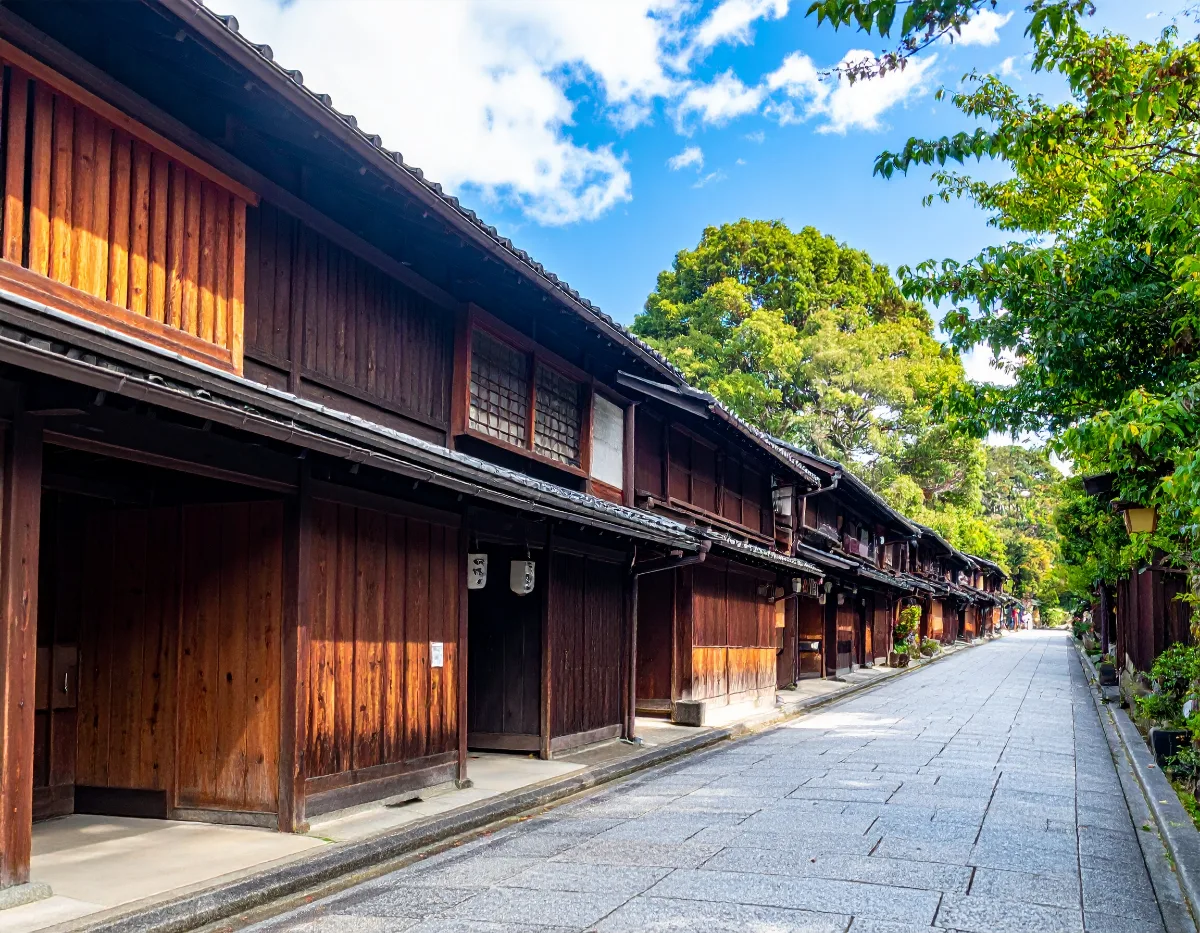
As one possible example, a day built around craft workshops often flows like this: morning gathering, a first workshop session of 60–90 minutes, lunch for 60–90 minutes, a second, shorter session of 30–60 minutes, then the return trip.
This kind of schedule is really just a starting point for discussion. Once a quote request comes in, it gets adjusted to fit the group's size and the chosen route.
From a planning and driving standpoint, it's worth building in some buffer time between stops, since travel through city streets doesn't always go exactly on schedule. Because instructions from drivers, venue staff, and workshop instructors are given in Japanese, a Japanese-speaking party leader must accompany the group on board to help everyone move smoothly between stops.
Shirakawa-go is a good example of a famous destination where walking time ends up mattering more than people expect. No vehicles are allowed into the thatched-roof village itself, so both buses and private cars use the parking area by Seseragi Park and cross the Deai Bridge on foot to reach the village. That shared bus parking area is expected to move toward a reservation-based system in the coming months, which is likely to make same-day arrivals without a booking more difficult. It's worth building both the walk and the reservation step into the plan from the start, and checking the latest local information closer to the visit.
Where Does the Group Need to Switch From Bus to Walking, and Why Does It Matter?
Shirakawa-go is the clearest example of this kind of transfer point: regardless of bus size, every vehicle parks in the same area and the group crosses a bridge on foot to reach the village. With that parking area expected to shift toward a reservation system, it's worth checking on booking availability well ahead of the actual visit date, alongside arranging the bus itself. For any itinerary that includes Shirakawa-go, both the walk and the reservation step deserve to be treated as fixed parts of the plan rather than an afterthought.
Nara Fude Tanaka presents a different kind of transfer challenge. With no dedicated parking lot and only nearby coin parking as an option, a large bus pulling directly up to the storefront isn't realistic. The practical solution is either to set a drop-off and pickup point a short walk away, or to consider an alternative stop that's easier for a bus to reach.
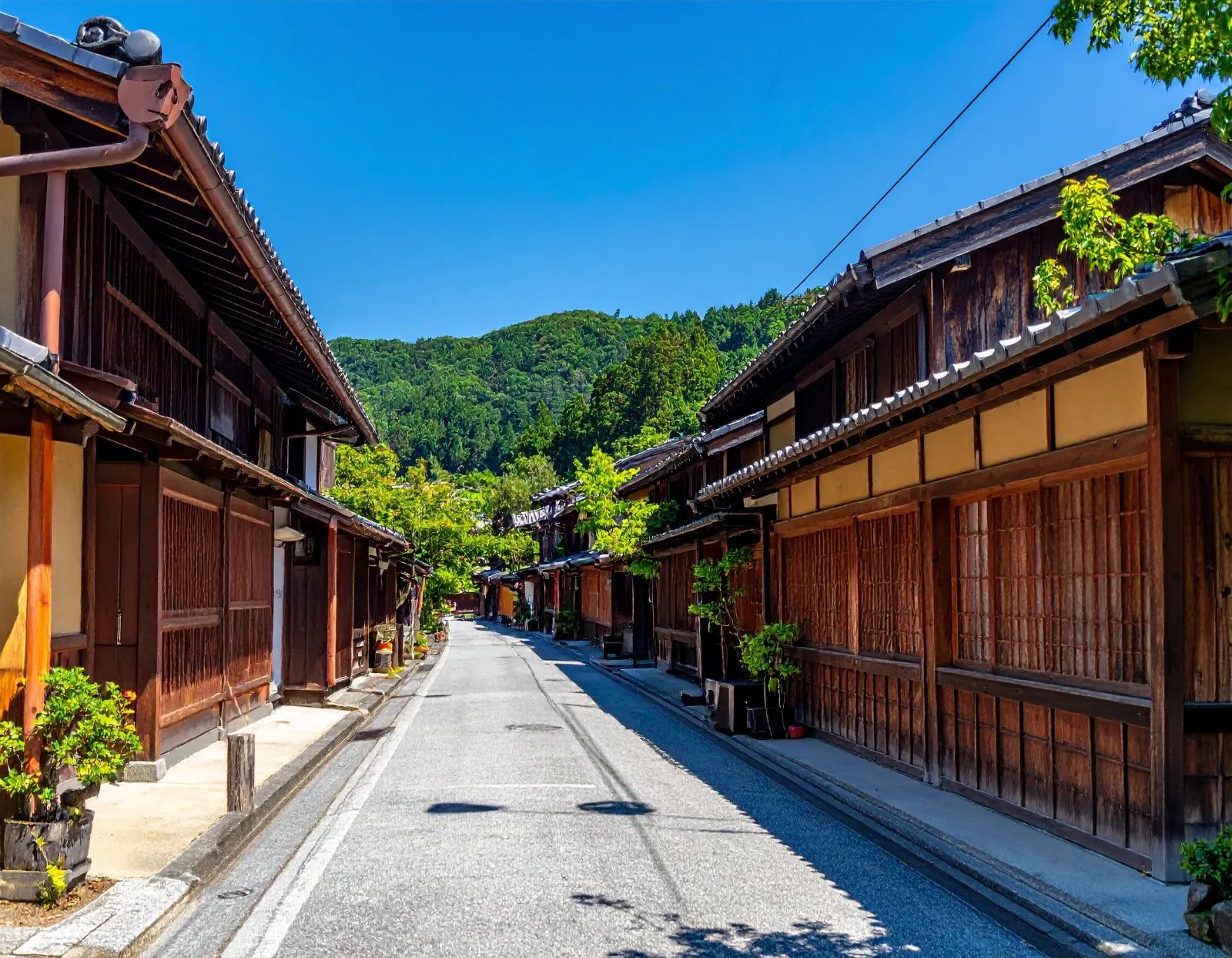
As a general rule, it's worth confirming bus access at each workshop before the route is locked in, especially in historic districts with narrow streets, where a 20-to-45-seat bus may simply not be able to enter.
How Can a Workshop Visit Be Combined With Shrines, Gardens, or a Multi-Day Program?
A craft workshop rarely fills an entire day on its own, so it works best as part of a half-day combination. A visit to the Kyoto Museum of Traditional Crafts pairs easily with nearby shrines and gardens, since several well-known sights cluster around the Miyako Messe area.
In Nara, Nara Kougeikan — free admission, with on-site parking and craftsperson demonstrations to watch — makes a good half-day pairing with the city's temples and gardens. Since the schedule for upstairs lectures and demonstrations changes with the season, it's worth checking the venue's current information before locking it into a fixed itinerary.
For groups planning something longer than a single day, a workshop visit like this can also anchor a multi-day program. For more on building a multi-day group trip around Kyoto, see the article on multi-day group tours in Kyoto; for pairing Nara Kougeikan with temples and gardens, see the article on temple and garden group tours in Nara.
How Does Quoting and Booking Work for a Workshop-Based Group Itinerary?
The fare for an itinerary that includes craft workshops is calculated based on group size and the full itinerary as a whole, rather than a fixed rate per workshop or per kilometer. Because each group's size, stops, and travel distance differ, every quote is built individually.
If a cancellation becomes unavoidable, the general guideline is as follows: no cancellation fee up to 21 days before departure, 20% from 20 to 8 days before, 30% from 7 to 2 days before, 40% the day before, and 100% on the day itself.
Popular weekends in spring and autumn tend to fill up quickly, both for workshop session slots and for bus availability. If there are specific stops a group wants to include, requesting a quote early keeps more options open. Quotes for itineraries combining craft workshops with sightseeing can be requested at tabinosuke.com/estimate/.
Because instructions and safety guidance throughout the day are given in Japanese, a Japanese-speaking party leader must accompany the group on board for the duration of the trip.
