
2026-09-28
Michi-no-Eki: Japan's Roadside Stations for Group Bus Trips
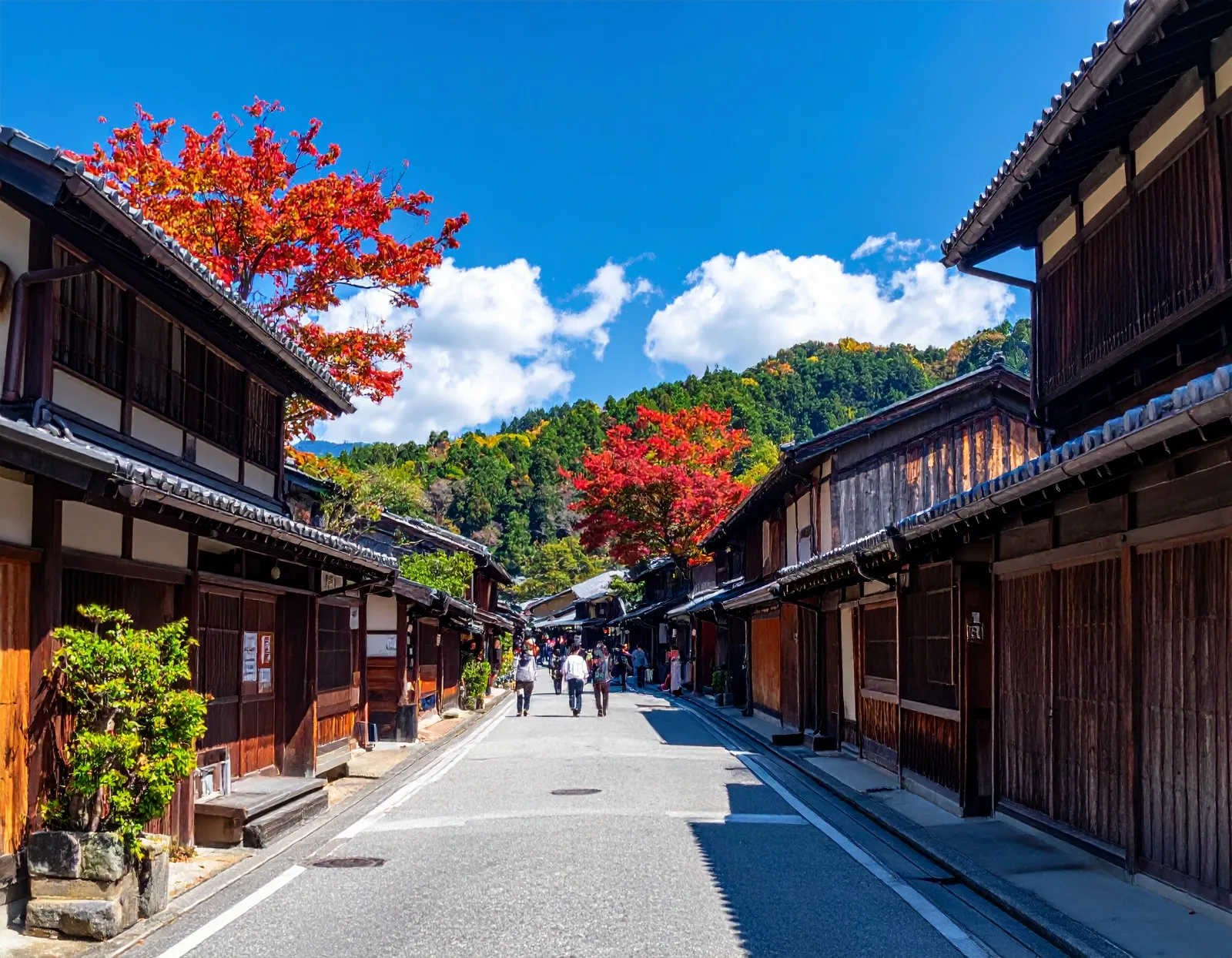
Michi-no-Eki: Japan's Free Roadside Rest Stops
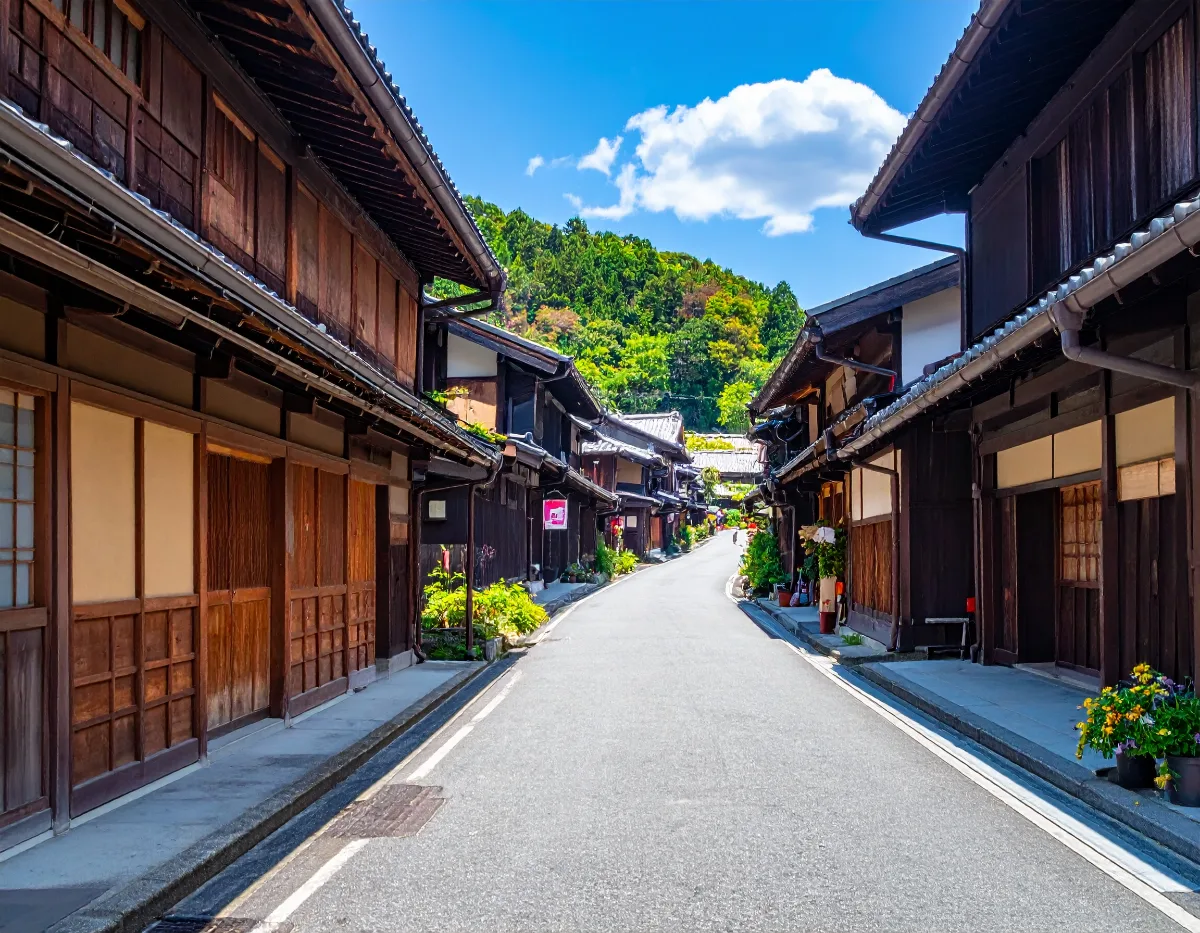
Long before "michi no eki" started showing up in overseas travel searches, these roadside stations were already a fixture of ordinary Japanese highways. Most michi-no-eki are free public facilities built along ordinary roads rather than expressways -- parking, restrooms, and a local produce or souvenir hall bundled into one stop. The system began with just over a hundred locations and has since grown to more than 1,200 stations spread across every one of Japan's 47 prefectures, each shaped by whatever the surrounding region grows, catches, or brews.
Most articles about michi-no-eki are written for solo drivers. As a travel agency that arranges chartered buses for company outings, welfare and accessibility-focused trips, three-generation family tours, and school excursions, we look at michi-no-eki a little differently -- as building blocks for a group itinerary. Not every station can handle a large coach, so knowing which ones can is part of planning a smooth day on the road.
What Makes a Michi-no-Eki Ready for a Charter Bus Tour
Facility size varies enormously, and for a group trip that difference matters. Some stations have parking for many large buses and plenty of restroom stalls, built with group travelers in mind, while others have room for only a few cars. The gap between a station with a handful of car spaces and one built for coach traffic is exactly why an itinerary shouldn't just pick the nearest dot on the map.
As a booking agency rather than the bus operator itself, we factor this kind of groundwork into the routes we propose, and we check parking suitability for coaches when planning the route.
A Sample Charter Bus Itinerary Built Around Michi-no-Eki Stops
A comfortable day trip usually falls into a simple rhythm: a morning at one sightseeing spot, a midday stop at a michi-no-eki for a restroom break and a local lunch, then a second destination in the afternoon. Scattering two or three such stops through a route -- rather than one long unbroken drive -- keeps a group loose and fed without turning the day into a marathon. Please note that a Japanese-speaking party leader must accompany the group on board.
This kind of pacing works whether the group is a company retreat, a three-generation family outing, or a class of students on an excursion -- the shape of the day changes, but the logic of building in a good roadside stop stays the same. For sample day trips and multi-day routes built around this idea, our model course page is a good starting point, and a quote for your own group size and route is available anytime through our fare estimate simulator.
How Often Should a Group Tour Take a Break
For everyone's comfort and safety, a chartered bus makes a point of pulling in for a proper break at sensible intervals rather than pushing straight through a long stretch of road. Michi-no-eki are efficient stopping points precisely because they combine several needs in one place -- restrooms, a meal or a snack, and a browse through the local shop -- so a group doesn't need three separate stops to cover what one well-chosen station handles in thirty to forty-five minutes. When we build a route, the goal is a relaxed pace that never feels rushed, with stops placed where they naturally fit the flow of the day.
Local Flavors, Souvenirs, and Onsen Waiting at Michi-no-Eki
The produce corner is usually the heart of any michi-no-eki -- crates of whatever is in season, jars of local pickles, and a soft-serve stand turning out flavors you won't find two towns over. Souvenir shelves lean into regional specialties rather than generic gift-shop fare, so a group can pick up something genuinely tied to the area it just visited. A number of stations go further and attach a hot spring bath or a free foot bath (ashiyu) to the property, turning a rest stop into a small, relaxing detour in its own right. Thirty to forty-five minutes is usually enough for a group to eat, shop, and soak their feet before moving on.
If a michi-no-eki stop like this sounds like something worth building into your own trip, our model course page has more route ideas to browse.

日本語版
道の駅:団体バス旅行で立ち寄りたい日本の休憩スポット
道の駅とは、一般道沿いにある無料の休憩スポットのことです
海外の旅行検索で「michi no eki」が話題になるずっと前から、道の駅は日本の一般道にごく普通にある存在でした。道の駅の多くは、高速道路ではなく一般道沿いに設けられた無料の公共施設で、駐車場・トイレ・地域の物産や土産物を扱う施設が一体になったものです。制度が始まったときはまだ百カ所ほどでしたが、その後全国47都道府県すべてに広がり、現在は1,200カ所を超える道の駅が展開しています。各地の道の駅は、その土地で採れるもの・獲れるもの・造られるものによって個性が異なります。
道の駅を紹介する記事の多くは、個人でドライブする人向けに書かれています。私たちは社員旅行や福祉・車いす対応の旅行、三世代旅行、修学旅行などの貸切バスを手配する旅行会社として、道の駅を少し違う角度から見ています。それは、団体旅行の行程を組み立てるための「部材」としての道の駅です。すべての道の駅が大型バスに対応できるわけではないため、どこが対応できるのかを把握しておくことが、当日の行程をスムーズに進める鍵になります。
貸切バス旅行に向く道の駅の条件
道の駅の規模は施設によって大きく異なり、団体旅行にとってはその差が重要になります。大型バスを何台も停められ、トイレの個室も多い、団体旅行を意識した道の駅がある一方で、乗用車が数台しか停められない道の駅もあります。乗用車数台分しかない道の駅と、バスの往来を前提に作られた道の駅との差は非常に大きく、だからこそ地図上で一番近い場所をそのまま選ぶべきではありません。
私たちはバスを運行する会社ではなく手配を行う旅行会社という立場から、ルートを組む段階で、大型バスが駐車しやすいかを確認しています。
道の駅を組み込んだ貸切バス旅行のモデルコース案
快適な日帰り旅行は、シンプルなリズムで組み立てられることが多いです。午前中にひとつの観光地を巡り、お昼どきに道の駅でトイレ休憩とご当地ランチを取り、午後に別の観光地へ向かう、という流れです。長い距離を一気に走り抜けるのではなく、こうした立ち寄り先を2〜3カ所行程に散りばめることで、団体の緊張感をほぐしつつ、疲れすぎない一日になります。なお、ご旅行には日本語を話せる団体代表者の方の同乗が必要です。
こうした行程の組み方は、社員旅行でも、三世代の家族旅行でも、修学旅行の生徒たちでも本質的には変わりません。一日の形は変わっても、良い道の駅を組み込むという考え方は共通しています。同様の日帰り・宿泊コースのアイデアは弊社の「モデルコースページ」をご覧ください。また、人数と行程に応じたお見積りは「運賃見積りシミュレーター」からいつでもご確認いただけます。
休憩はどのくらいの間隔で取るのが安心か
貸切バスは、皆様の快適さと安全のために、長い区間を一気に走り抜けるのではなく、ほどよい間隔でしっかりと休憩を取りながら進みます。道の駅が休憩地として効率的なのは、トイレ・食事・お土産の買い物といった複数のニーズを一カ所でまとめて満たせるからです。そのため、別々に3カ所立ち寄る必要がなく、一つの道の駅で30〜45分あれば十分に済ませられます。私たちが行程を組む際は、慌ただしくならない無理のないペースを心がけ、一日の流れに自然に合う場所に休憩を配置しています。
道の駅で楽しめるご当地グルメ・特産品・温泉
道の駅の中心は、たいてい地元の物産コーナーです。旬の野菜や果物、地域の漬物、そしてほかの町では出会えないようなご当地ソフトクリームの売店などが並びます。お土産の棚も、ありきたりな土産物ではなく、その地域ならではの特産品に寄っています。中には温泉や無料の足湯を併設している道の駅もあり、単なる休憩がちょっとした癒やしの時間になることもあります。団体での滞在時間は30〜45分ほどあれば、食事・買い物・足湯まで十分に楽しめます。
こうした道の駅の立ち寄りをご自身の旅行にも組み込んでみたい方は、弊社の「モデルコースページ」に他のルート案も掲載しています。