
2026-09-29
Hakone Private Bus Day Trip from Tokyo: Mt. Fuji Views
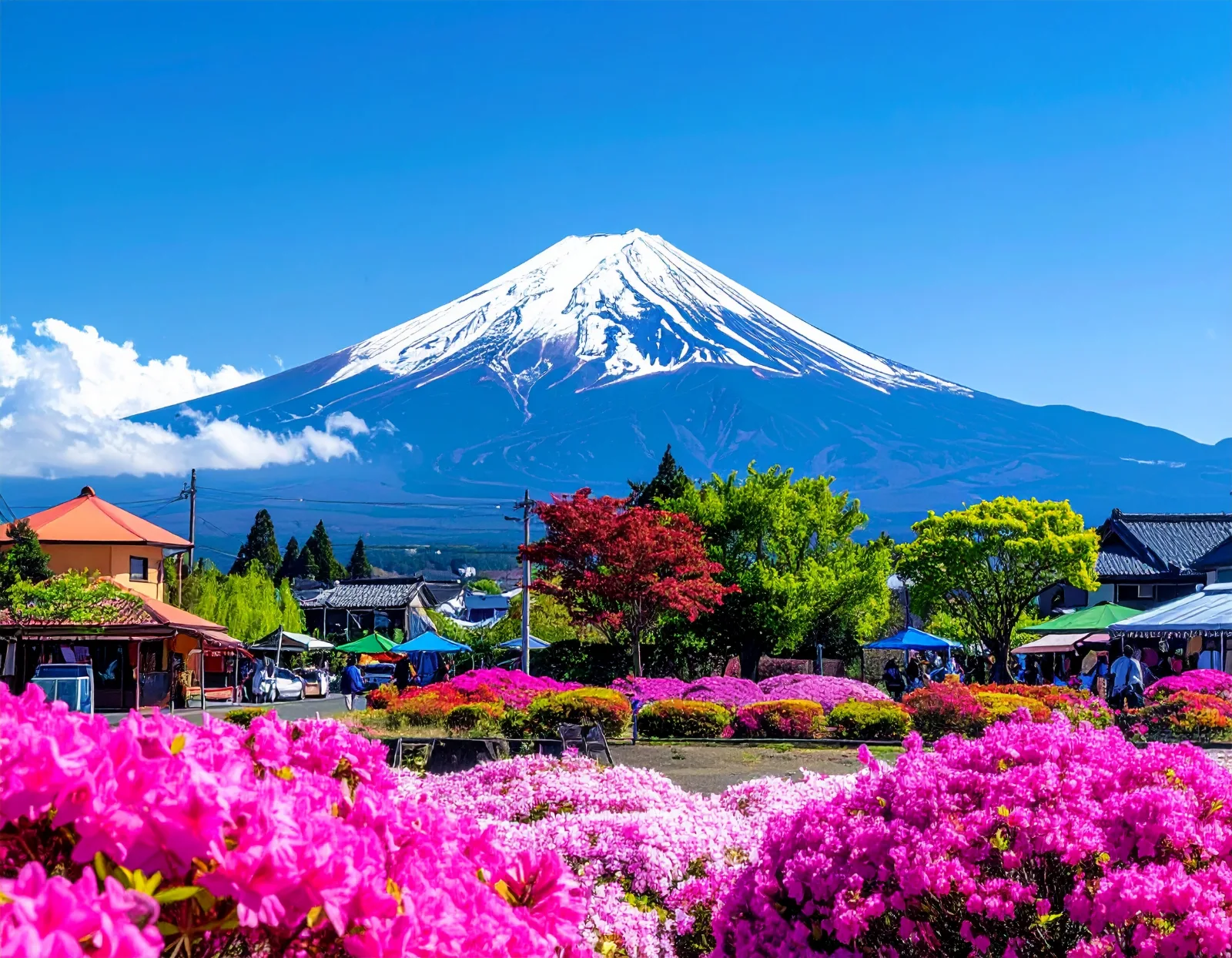
Best Way to Do Hakone from Tokyo in a Day Without Train Transfers
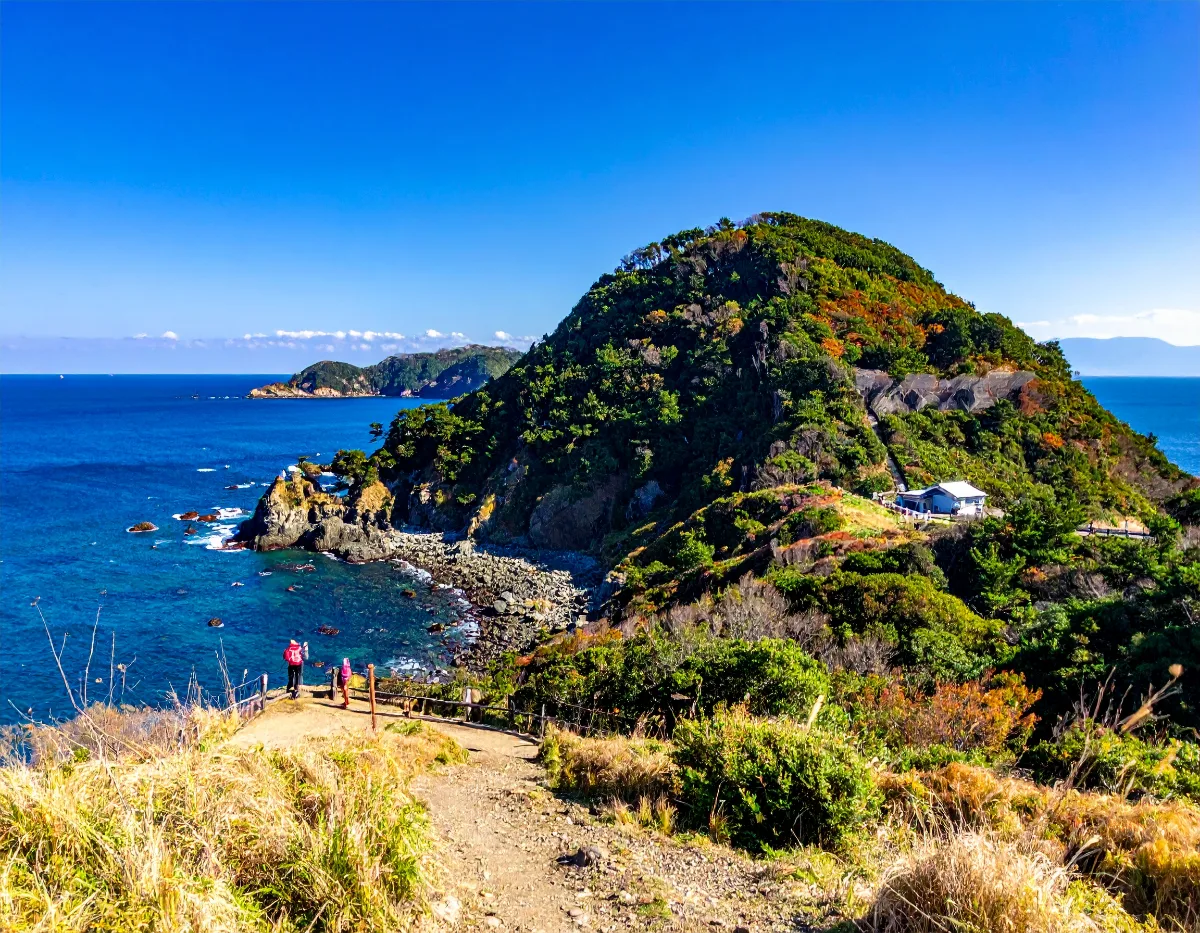
For a group that wants to see Mt. Fuji, Owakudani and Lake Ashi in a single day, one of the fastest ways to move a group out of Tokyo is a private charter coach that picks the group up and drops them off with no train changes in between. A search for a private Hakone tour tends to return small private cars and vans built for three to six riders -- fine for a couple, but the wrong category of vehicle for a school trip, a company outing, or a multi-generation family group. tabinosuke.com is operated by Maat, a licensed travel agency, and arranges full-size charter coaches for groups of ten to over forty travelers, with a single pickup point and a single itinerary the whole group follows together. This isn't a cheaper or pricier version of a private car booking -- it's a different vehicle category for a different group size, and every quote is customized to the group's headcount and itinerary rather than sold at a fixed per-seat rate.
Tell us your route and party size.
Get a Free Quote ▶
How Many Seats Do You Actually Need? Coach Sizing for Groups of 10 to 40+
Coach capacity depends on the seat configuration, not just the vehicle length, so it's worth confirming the actual layout of the vehicle assigned to your group before locking in a headcount:
- Standard large coaches: exact seating (regular seats plus any jump seats) varies by model, so total capacity should be checked against the specific vehicle offered for your date rather than assumed in advance.
- Wheelchair-accessible layout: typically 35 regular seats plus 3 fold-down seats and 2 wheelchair spaces, for 40 total.
- Luggage space: a full-size coach has luggage bay space built for a whole group's day bags, something three-to-six-seat private cars simply don't have room for -- worth factoring in for a day trip versus an overnight stay.
None of this is the kind of detail a small private-car listing publishes, since the vehicle categories are different. Ask for the confirmed seat count and layout when you request a quote for your group size.
Tokyo to Hakone: Real Drive Times, Toll Costs, and When Traffic Will Ruin Your Schedule

The drive from central Tokyo to Hakone covers roughly 90 kilometers. The fastest stretch is Tokyo IC to Hakone-guchi IC on the Tomei Expressway. That stretch covers about 67.3 kilometers. It takes around 47 minutes on the highway alone. Once local traffic before and after the highway is factored in, a realistic outbound trip runs closer to 90 minutes.
The trip back tends to run longer. Road conditions on the return leg typically stretch the drive to around 3 hours. Build slack into the afternoon schedule rather than planning a tight departure time.
- Toll cost: Highway tolls for a large coach vary by the specific route and interchange used on the day, and are factored into your custom quote once the itinerary is finalized.
- Golden Week traffic: Congestion on the Tomei and Ken-O routes tends to peak during Japan's Golden Week holiday period each spring. The standard Hakone-Yumoto-to-Gora route runs especially slow during that window.
- Detour route: Hakone Navi, the official Hakone tourism information site, recommends taking the loop route the other way on congested days. That means routing up through Sōun-zan, Ubako and Togendai and onto the ropeway from there, rather than driving straight into Owakudani through the backed-up approach road.
The Model Course: Owakudani, Lake Ashi Pirate Ship, and Mt. Fuji Viewpoints -- In What Order and How Long
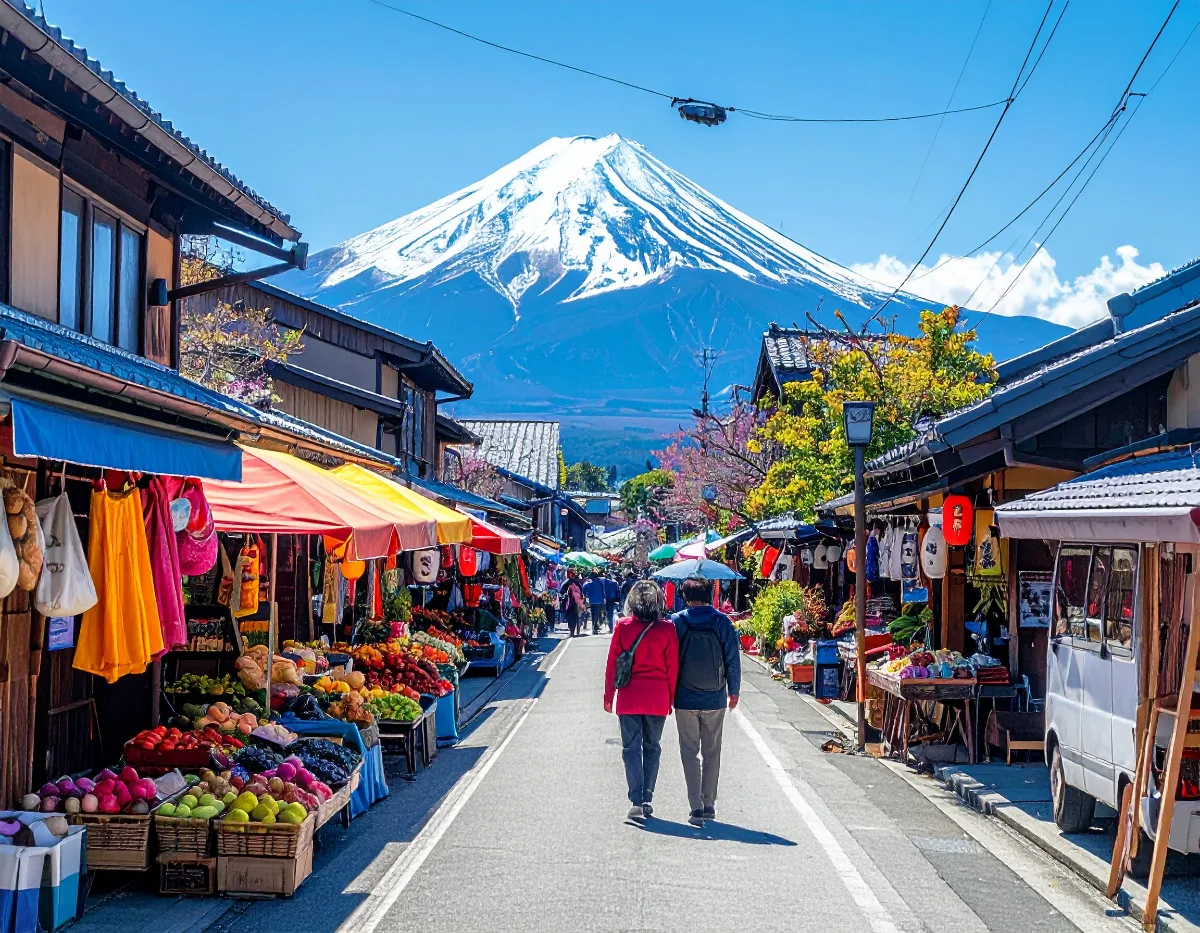
A well-paced Hakone day starts at Owakudani, the volcanic valley sitting at 1,044 meters that anchors most itineraries and offers some of the best Mt. Fuji views in the area on a clear day. The Hakone Ropeway that serves it runs 9:00 a.m. to 5:00 p.m. from February through November and 9:00 a.m. to 4:15 p.m. in December and January -- but it's worth knowing that a suspension can happen on short notice for several reasons: sustained wind over 30 meters per second, other severe weather, scheduled equipment inspections, or an unplanned mechanical issue, with service switching to a substitute bus when that happens. A group itinerary should carry some buffer time around the ropeway leg rather than scheduling it back-to-back with the next stop. From Owakudani, the natural next stop is Lake Ashi, where the pirate ship service connects the lake's three ports -- Togendai Port on the north shore, and Hakone-machi Port and Motohakone Port on the south shore; a one-way crossing runs about 25 to 35 minutes, and a full loop around the lake takes roughly 40 minutes, both of which slot cleanly into a fixed group schedule. For Mt. Fuji visibility, the clearest window tends to be January and February, when the air is driest -- during other seasons it's worth setting expectations for the group rather than promising a view. A workable stop order for a day trip:
- Owakudani volcanic valley
- Hakone Ropeway crossing
- Lake Ashi pirate ship
- Hakone Shrine, before the drive back to Tokyo
Hakone Shrine sits on the southern shore of Lake Ashi near Motohakone Port, its red torii gate rising out of the water at the lake's edge. It's an easy last stop for a group already stepping off the pirate ship nearby, before heading back to the coach for the drive to Tokyo.
Why Book a Licensed Charter Operator Instead of a Private-Car Booking
Booking a charter bus rather than a private car comes with assurances a booking platform simply can't offer. Operating a charter coach in Japan requires an official operating license and unlimited third-party liability insurance -- requirements that apply to the licensed operator, not to a listing on a booking site. Charter bus operators are also required to meet an official safety standard, giving groups added peace of mind before booking. Together, the license, the insurance coverage, and the safety standard are checks a group can make before committing to a booking -- checks a private-car listing simply doesn't offer. On a mountain route like Hakone, where the ropeway itself is subject to weather-based suspensions, working with an operator experienced in making the same kind of go/no-go calls for the road adds a layer of judgment a self-driven rental or a small private car doesn't have. For English-speaking groups booking through tabinosuke.com, it's worth asking about arranging a Japanese-speaking coordinator for on-the-ground logistics when you request a quote.
Next Steps: Budget and Booking Timeline FAQ
How is the total cost calculated?
Your quote is built from three inputs: group headcount, the itinerary (including any detour routing on high-traffic days), and the confirmed highway tolls for your travel date. There's no fixed per-seat rate, so request a quote with your dates and headcount to get an exact figure rather than estimating from a generic price list.
How far ahead should we book?
Request a quote as soon as your date and headcount are set. Weekend and holiday-period departures, including Golden Week, tend to fill up earlier than weekday dates, so an earlier request leaves more coach availability to choose from.
Can a large group really do Hakone in one day?
Yes. The drive times and stop order above are built around a single-day loop for groups of ten to over forty, provided the itinerary carries buffer time around the ropeway crossing and drive times rather than a tight back-to-back schedule.
Ready to Plan Your Hakone Day Trip?
A single-day loop through Owakudani, the Lake Ashi pirate ship, and Hakone Shrine works well for a group that wants Mt. Fuji views without split itineraries or train transfers. The exact stop order, drive-time buffer, and detour options depend on the date and group size, so it's worth confirming those details before locking in a departure time.
tabinosuke.com, operated by the licensed travel agency Maat, puts together a custom charter coach itinerary for groups of ten to over forty. Request a quote with your dates and headcount to get a confirmed seat count, route, and cost, or compare more options on the Model Course page.
Note: A Japanese-speaking guide or staff member accompanies the group throughout the tour.

日本語版
東京発 箱根プライベートバス日帰りツアー:富士山を望む
電車の乗り換えなしで東京から箱根を1日で回る最良の方法
富士山・大涌谷・芦ノ湖を1日で見たいグループにとって、東京から団体を移動させる最も速い方法のひとつが、乗り換えなしで送迎してくれる貸切バスです。「箱根 プライベートツアー」で検索すると、3〜6人乗りの小型自家用車やバンばかりがヒットしがちです。カップルには十分ですが、修学旅行や社員旅行、三世代family旅行には向かない車両カテゴリーです。tabinosuke.comは旅行業許可を持つ旅行会社マアトが運営しており、10人から40人超のグループ向けに大型貸切バスを手配し、集合場所は1か所、行程もグループ全員で同じものをたどります。これは個人向け車両予約の安価版・高価版ではなく、グループ規模が違えば車両カテゴリーそのものが異なるということです。見積もりは固定の座席単価ではなく、グループの人数と行程ごとにすべてカスタマイズされます。
実際に何席必要か?10人〜40人超のグループ向けバスサイズの考え方
バスの定員は車両の長さだけでなく座席レイアウトによって決まるため、人数を確定する前に、実際に割り当てられる車両の座席配置を確認しておく価値があります。
標準的な大型バス:通常座席とジャンプシート(補助席)を合わせた正確な座席数は車種によって異なるため、事前に想定するのではなく、その運行日に提供される具体的な車両で総定員を確認する必要があります。
車いす対応レイアウト:通常は一般座席35席に折りたたみ式補助席3席、車いすスペース2席を加えた計40人分となります。
荷物スペース:大型バスにはグループ全員のデイバッグ用の荷物室スペースが備わっています。これは3〜6人乗りの個人向け車両にはそもそも用意できないスペースで、日帰りか宿泊かを問わず考慮しておく価値があります。
こうした情報はどれも、小型の個人向け車両の掲載ページには載らないような内容です。車両カテゴリーそのものが違うためです。グループの人数に合わせた見積もりを依頼する際は、確定済みの座席数とレイアウトを尋ねてください。
東京から箱根へ:実際の所要時間・通行料・渋滞でスケジュールが崩れるタイミング
東京都心から箱根までの距離はおよそ90キロメートルです。最も速いルートは東名高速道路の東京ICから箱根口ICで、この区間はおよそ67.3キロメートルです。高速道路だけならおよそ47分で走れます。高速前後の一般道の渋滞を見込むと、実際の往路の所要時間はおよそ90分に近くなります。
復路はさらに時間がかかる傾向にあります。復路の道路状況では、所要時間がおよそ3時間まで延びるのが一般的です。午後のスケジュールは出発時刻をタイトに組むのではなく、余裕を持たせて計画してください。
通行料:大型バスの高速料金は、当日利用する具体的なルートとインターチェンジによって変わるため、行程が確定した段階でお見積もりに反映されます。
ゴールデンウィークの渋滞:東名およびケン・オー(圏央道)ルートの渋滞は、毎年春の日本のゴールデンウィーク期間中にピークを迎える傾向があります。標準的な箱根湯本から強羅へのルートは、この時期特に混雑します。
迂回ルート:箱根の公式観光情報サイト「箱根なび」は、混雑日には逆回りでループルートを走ることを推奨しています。つまり、混雑したアプローチ道路から大涌谷へ直接向かうのではなく、早雲山、姥子、桃源台を経由してそこからロープウェイに乗るルートです。
モデルコース:大涌谷・芦ノ湖海賊船・富士山ビューポイント -- 順序と所要時間
箱根での充実した1日は、標高1,044メートルに位置する火山渓谷、大涌谷から始まるのが一般的です。多くの行程がここを起点にしており、晴れた日にはこのエリア屈指の富士山ビューが楽しめます。大涌谷を結ぶ箱根ロープウェイの運行時間は、2月から11月は午前9時から午後5時まで、12月・1月は午前9時から午後4時15分までです。ただし、以下のいくつかの理由により、短時間の予告でロープウェイが運休となる場合があることは知っておく価値があります:秒速30メートルを超える強風、その他の悪天候、定期設備点検、または不測の機械トラブルです。運休時は代行バスに切り替わります。グループの行程では、ロープウェイの区間の前後に次の見学先とぴったり詰めてスケジュールを組むのではなく、ある程度の余裕時間を持たせるべきです。大涌谷の次の自然な行き先は芦ノ湖で、海賊船が湖の3つの港を結んでいます -- 北岸の桃源台港、南岸の箱根町港と元箱根港です。片道の乗船時間はおよそ25分から35分、湖を一周する場合はおよそ40分かかり、いずれも決まったグループ行程にきれいに組み込めます。富士山の視界については、空気が最も乾燥する1月・2月が最もクリアに見える時期とされています。それ以外の季節は、確実に見えると約束するのではなく、グループには期待値を調整して伝えておく価値があります。日帰りツアーとして無理のない見学順序は次のとおりです:
大涌谷の火山渓谷
箱根ロープウェイでの移動
芦ノ湖海賊船
東京への帰路につく前に箱根神社
箱根神社は元箱根港の近く、芦ノ湖の南岸に位置し、赤い鳥居が湖畔の水面から立ち上がっています。すでに近くで海賊船を降りたグループにとっては立ち寄りやすい最後の見学先で、そのあとバスに戻って東京への帰路につきます。
個人向け車両予約ではなく、許可を持つ貸切バス事業者を選ぶべき理由
個人向け車両ではなく貸切バスを予約することで、予約プラットフォームだけでは得られない安心感が得られます。日本で貸切バスを運行するには、正式な運行許可と無制限の対人・対物賠償責任保険が必要です -- これは許可を持つ事業者に課される要件であり、予約サイト上の掲載情報には適用されません。貸切バス事業者はまた、公式の安全基準を満たすことも義務付けられており、予約前のグループにさらなる安心をもたらします。許可、保険の補償内容、安全基準はいずれも、予約を確定する前にグループ側が確認できる項目です -- これは個人向け車両の掲載情報にはない確認事項です。ロープウェイ自体が天候による運休の対象となる箱根のような山岳ルートでは、道路についても同様の運行可否判断を経験豊富な事業者が行ってくれることで、自分で運転するレンタカーや小型の個人向け車両にはない判断力が加わります。tabinosuke.comを通じて予約する英語話者のグループは、見積もり依頼の際に、現地での手配を担当する日本語対応のコーディネーターの手配についても尋ねる価値があります。
次のステップ:予算と予約スケジュールに関するFAQ
合計費用はどのように計算されますか?
お見積もりは、グループ人数、行程(混雑日の迂回ルートを含む)、旅行日の確定した高速料金という3つの要素から算出されます。座席単価は固定されていないため、一般的な価格表から見積もるのではなく、日程と人数を添えてお見積もりを依頼し、正確な金額を確認してください。
どのくらい前から予約すべきですか?
日程と人数が決まったら、すぐにお見積もりを依頼してください。ゴールデンウィークを含む週末や連休期間の出発は平日よりも早く埋まる傾向があるため、早めに依頼するほど選べるバスの空き状況が広がります。
大人数のグループでも本当に箱根を1日で回れますか?
はい。上記の所要時間と見学順序は、10人から40人超のグループが1日で回れるループコースとして組まれています。ただし、ロープウェイの乗り継ぎや移動時間の前後にタイトなスケジュールを詰め込まず、余裕を持たせることが前提です。
箱根日帰りツアーの計画を始めませんか?
大涌谷、芦ノ湖海賊船、箱根神社を巡る1日ループコースは、行程を分けたり電車を乗り換えたりせずに富士山ビューを楽しみたいグループに最適です。正確な見学順序、移動時間の余裕、迂回ルートの選択肢は日程とグループ規模によって変わるため、出発時刻を確定する前にこれらの詳細を確認しておく価値があります。
旅行業許可を持つ旅行会社マアトが運営するtabinosuke.comは、10人から40人超のグループ向けにオーダーメイドの貸切バス行程を組み立てます。日程と人数を添えてお見積もりを依頼すれば、確定した座席数・ルート・費用をご案内します。またはモデルコースのページでその他の選択肢も比較できます。
注:ツアー中は日本語を話すガイドまたはスタッフがグループに同行します。