
2026-10-06
Charter Bus for Sports Teams in Japan|Tournament Travel Made Easy
Yes, You Can Charter a Dedicated Team Bus for Your Japan Tournament -- Here's How
Yes -- an overseas team can charter one bus, or a small fleet, that covers the entire ground transportation for a Japan tournament trip, from the moment your squad lands to the moment they fly home. A single charter can be scheduled to meet your flight at the airport, run as a dedicated shuttle between your hotel and every competition venue on the calendar, carry your equipment bags and uniforms alongside the team, and return everyone to the airport for departure.
This guide is written by Maat Co., Ltd., the Osaka-based travel agency that arranges the chartered coaches used on tabinosuke.com tours -- not a price-comparison aggregator. Everything below reflects how a real Japan-based operator actually plans tournament-travel logistics for visiting teams.
What Size Bus Fits a Full Roster and Equipment?
A large Japanese coach typically seats 45 to 49 passengers on fixed seats, plus 6 to 11 folding jump seats, for a maximum capacity of roughly 53 to 60 people on a single bus -- usually enough for a full roster, coaching staff, and team management with room to spare.
Equipment travels separately from the passenger cabin. The underfloor trunk on a large coach holds the equivalent of about 36 to 40 pieces of 90-liter luggage, enough for team duffel bags, uniform cases, and equipment bins without anyone holding a bag on their lap. If your roster, staff, and gear volume push past what one coach can carry comfortably, we simply add a second vehicle to the same charter booking so both buses run the same schedule together.
Because Maat arranges the actual vehicles for each booking, we can share real photos of the specific coach and fleet lineup proposed for your dates, not generic stock photography.
What Will It Cost and When Should We Book?
Charter bus pricing in Japan runs on two standard structures: a distance-based fare, calculated per kilometer and rounded up in 10 km increments, for point-to-point routes; and a time-based fare that keeps the bus and driver on standby for a set block of hours, usually built around a round trip plus roughly two hours of pre-trip inspection, subject to a minimum booking length. Because both structures are built from your actual routing -- distance traveled or hours the vehicle is held on standby -- there isn't a single flat rate we can quote in the abstract; your total depends on your Kansai-area routing, roster size, and how many vehicles you need, so every booking gets its own itemized quote from Maat's Osaka office.
Timing matters more than most overseas planners expect. During Japan's peak charter seasons -- spring, summer, and the autumn foliage months -- coaches can be fully booked three months in advance in popular regions. In the quieter months (January through March, and December) buses are often still available even a month out. As soon as your tournament bracket and venue schedule are confirmed, lock in your dates -- you can request a no-obligation quote any time with your roster size and itinerary.
Getting In and Out of Japanese Tournament Venues
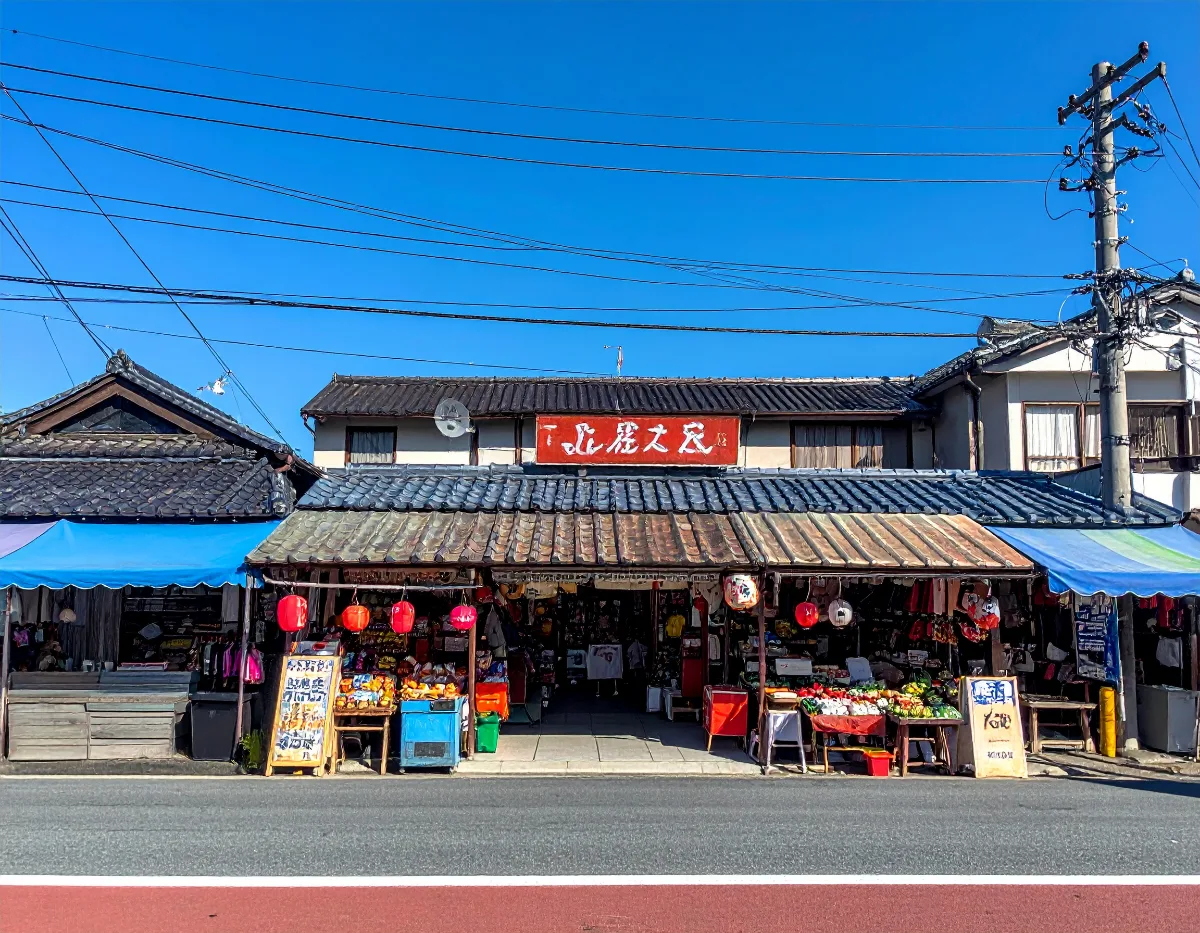
Not every competition venue in Japan is built with large-coach access in mind. Some downtown gymnasiums and school-affiliated arenas have narrow approach roads or no on-site coach parking at all, which means the bus may drop the team at a nearby staging point for the last stretch on foot, or loop back to a designated pickup lot between sessions. Hakodate Arena, for example, has designated coach drop-off and waiting areas that need to be reserved as part of the venue booking rather than assumed on the day, and Hiroshima Prefectural Sports Center works the same way -- securing a slot for the bus is something we build into the plan in advance, not something to improvise on arrival. We check venue access as part of planning your itinerary, so this gets built into the schedule rather than discovered on arrival.
Multi-venue tournament days also run into Japan's driver rest-time rules, tightened under the "Kaizen Kijun" standard effective April 2024. A driver's duty day is capped at 13 hours in principle (15 hours at the outside), actual driving time averages no more than 9 hours a day across a two-day span with no more than 4 hours continuous, and drivers need at least 11 hours of rest between duty days (9 hours at the absolute minimum). If your day plan involves shuttling between three venues plus a hotel run, we factor these limits into driver scheduling up front so nothing gets cut short mid-tournament.
One practical note for international teams: in most cases, coach drivers in Japan do not offer English-language service, so plan to travel with a Japanese-speaking party leader on board rather than assume the driver can help with directions or translation. If you'd like a dedicated interpreter-guide riding along for real-time translation, we can add one to the booking, typically ¥15,000-¥30,000 per assignment. See our vehicle and fleet page for real coach photos, luggage space, and seating layouts before you request a quote.
From Overseas Inquiry to Payment -- What Actually Happens
Requesting a charter is a short back-and-forth, not a paperwork process. Send an inquiry with your roster size, arrival and departure dates, venue addresses, and hotel location. We follow up with any questions needed to firm up the itinerary -- how many days the bus is needed, whether one coach or two, and any side trips you'd like to add -- then issue a quote in Japanese yen based on that exact plan.
Once you confirm the quote, we lock in the vehicle and driver for your dates and send booking confirmation with the finalized schedule. For overseas inquiries we typically reply within one to two business days; having your roster count, dates, and venue list ready when you first reach out is the single biggest thing you can do to speed up the quote. Ready to start? Request your quote at tabinosuke.com/en/estimate.
Turning Travel Days Into a Half-Day Kansai Sightseeing Stop
A tournament trip doesn't have to be all gym and hotel. Because the same charter bus and driver are already on your schedule, adding a half-day sightseeing stop before a match-free day, or ahead of your departure flight, costs nothing in extra vehicle logistics -- no swapping to a taxi fleet or public transport, the team simply stays together on the bus.
One popular loop starts from Shin-Osaka Station, heads to Todaiji Temple to see the Great Buddha hall, then continues to Nara Park, where the resident deer roam freely among the temple grounds -- a favorite stop for a lighthearted group photo before flying home. A second option pairs Nara Park directly with a return to Shin-Osaka Station for teams catching a bullet train onward. For a quieter alternative with a nod to Japanese sports culture, a Shin-Osaka Station route out to Isonokami Shrine can be combined with a stop at the Katsuragi Sumo Museum.
On the Kyoto side, teams based at a hotel like Miyako Hotel Kyoto Hachijo before heading to Kansai Airport can work in the Arashiyama riverside area -- the Togetsukyo Bridge, the gardens at Tenryuji Temple, and the Sagano bamboo grove -- on the way to the airport. And for arrival-day transfers, an Itami Airport pickup routing through Toshi City Osaka Honmachi gets the team to its hotel base without a separate stop needed. For more full-day and multi-stop combinations built the same way, see our Kansai destinations guide.

日本語版
日本国内のスポーツチーム向け貸切バス|大会遠征をスムーズに
はい、日本での大会遠征専用のチームバスをチャーターできます -- その方法をご紹介します
はい----海外のチームは、日本での大会遠征における地上交通のすべてを、選手団が到着した瞬間から帰国のフライトに乗るまでカバーする1台のバス、あるいは小規模な車両編成をチャーターすることができます。1回のチャーターで、空港でのフライト到着に合わせた出迎え、宿泊先とスケジュール上のすべての競技会場との間を結ぶ専用シャトル運行、チームと一緒に用具バッグやユニフォームの運搬、そして出発時の空港への送りまで、すべてを手配することが可能です。
このガイドは、tabinosuke.comのツアーで使用されている貸切バスを手配する大阪拠点の旅行会社、株式会社マアトが作成したものであり、料金比較サイトではありません。以下の内容はすべて、日本を拠点とする実際の事業者が、来日するチームのために大会遠征のロジスティクスをどのように計画しているかを反映したものです。
フルロースターと用具に見合うバスのサイズは?
日本の大型観光バスは通常、固定座席で45〜49名、さらに折りたたみ式の補助席が6〜11席あり、1台あたりの最大定員はおよそ53〜60名です----多くの場合、フルロースター、コーチングスタッフ、チーム運営スタッフをゆとりを持って収容できる人数です。
用具は客室とは別に運ばれます。大型コーチの床下トランクには、90リットルサイズのスーツケース約36〜40個分に相当する容量があり、誰も膝の上に荷物を抱えることなく、チームのダッフルバッグ、ユニフォームケース、用具ケースを収納できます。もしロースター、スタッフ、荷物量が1台のバスで快適に運べる範囲を超える場合は、同じチャーター予約に2台目の車両を単純に追加し、両方のバスが同じスケジュールで一緒に運行します。
マアトは各予約の実際の車両を手配しているため、汎用的なストック写真ではなく、お客様の日程向けに提案する具体的なコーチや車両編成の実際の写真をお見せすることができます。
費用はいくらで、いつ予約すべきですか?
日本の貸切バス料金は2つの標準的な体系で運用されています。1つは、地点間ルート向けに、キロメートル単位で計算し10km刻みで切り上げる距離制運賃。どちらの体系もお客様の実際のルート----走行距離、または車両を待機させる時間----から算出されるため、抽象的な形で提示できる一律の定額料金というものは存在しません。総額は関西エリア内のルート、ロースターの人数、必要な車両台数によって決まるため、すべての予約についてマアトの大阪オフィスから個別の明細付き見積もりを発行します。
タイミングは、海外の計画担当者の多くが想定している以上に重要です。日本の繁忙期----春、夏、そして秋の紅葉シーズン----には、人気のある地域で3か月前にはすでに予約が埋まっていることがあります。一方、閑散期(1月〜3月、および12月)には、1か月前でもバスの空きがあることが多いです。大会の組み合わせ表と会場スケジュールが確定次第、すぐに日程を確保してください----ロースターの人数と行程を添えて、いつでも無料の見積もりを依頼できます。
日本の大会会場への入退場について
日本国内のすべての競技会場が大型コーチの乗り入れを想定して作られているわけではありません。市街地の体育館や学校付属のアリーナの中には、進入路が狭かったり、そもそも敷地内にコーチ用駐車スペースが無かったりする場所もあり、その場合バスは近くの待機場所でチームを降ろし最後の区間は徒歩になったり、セッションの合間に指定の乗降場へ戻ったりすることになります。例えば函館アリーナには、当日になって思いつきで対応するのではなく、会場予約の一部としてあらかじめ確保しておく必要のある、指定のコーチ降車・待機エリアがあります。広島県立総合体育館も同様の仕組みで、バスの枠を確保することは事前の計画に組み込んでおくものです。会場へのアクセスは行程計画の一部として確認しますので、到着してから気づくのではなく、あらかじめスケジュールに組み込まれます。
複数会場をまわる大会当日は、2024年4月施行の「改善基準」のもとで厳格化された、日本の運転士の休息時間ルールにも関わってきます。運転士の拘束時間は原則1日13時間が上限(最大でも15時間)、実際の運転時間は2日間平均で1日あたり9時間以内、連続運転は4時間以内、そして勤務日の間には少なくとも11時間の休息が必要です(絶対的な最低限でも9時間)。もし1日の計画に3つの会場に加えてホテルへの送迎が含まれる場合、大会の途中で予定が切り詰められることのないよう、これらの制限をあらかじめ運転士のスケジュールに織り込みます。
海外チームへの実務上の注意点として、日本国内のコーチ運転士のほとんどは英語対応を行っていません。運転士が道案内や通訳をしてくれると期待するのではなく、日本語を話せる引率者が同乗する前提で計画してください。リアルタイム通訳のための専属通訳ガイドの同乗をご希望の場合は、予約に追加することができます(1回あたり通常15,000円〜30,000円程度)。見積もりを依頼する前に、実際のコーチの写真、荷物スペース、座席レイアウトについては車両・車両編成のページをご覧ください。
海外からの問い合わせから決済まで -- 実際の流れ
チャーターの依頼は、書類手続きではなく短いやり取りで完結します。ロースターの人数、到着・出発日、会場住所、宿泊先を添えてお問い合わせください。行程を固めるために必要な質問----バスが必要な日数、コーチを1台にするか2台にするか、追加したい立ち寄り観光の有無など----について折り返しご連絡し、その正確なプランに基づいて日本円建ての見積もりを発行します。
見積もりにご了承いただいた時点で、お客様の日程に合わせて車両と運転士を確保し、確定した日程とともに予約確認をお送りします。海外からのお問い合わせには通常1〜2営業日以内に返信しています。最初のご連絡の時点でロースターの人数、日程、会場一覧をご用意いただくことが、見積もりを最も早く進める最大のポイントです。始める準備はできましたか? tabinosuke.com/en/estimate から見積もりをご依頼ください。
移動日を半日の関西観光に変える
大会遠征は体育館とホテルだけで終わる必要はありません。同じ貸切バスと運転士がすでにスケジュールに組み込まれているため、試合のない日の前や出発便の前に半日の観光を追加しても、車両手配の面では追加の手間は一切かかりません----タクシーの手配や公共交通機関に切り替える必要はなく、チームはそのままバスに乗って一緒に移動できます。
人気のあるコースの1つは新大阪駅から出発し、大仏殿を見るために東大寺へ向かい、続いて奈良公園へ----そこでは境内を鹿が自由に歩き回っており、帰国前の和やかな記念撮影スポットとして人気です。もう1つの選択肢は、奈良公園と新大阪駅への直接の帰着を組み合わせるもので、この先新幹線に乗り継ぐチームに向いています。日本のスポーツ文化に触れる、より落ち着いた選択肢としては、新大阪駅から石上神宮へ向かうルートに、葛城相撲館への立ち寄りを組み合わせることもできます。
京都側では、都ホテル京都八条のようなホテルを拠点に関西空港へ向かうチームであれば、渡月橋、天龍寺の庭園、嵯峨野の竹林といった嵐山の川沿いエリアを、空港へ向かう道中に組み込むことができます。また到着日の送迎については、大阪市本町の都市を経由する伊丹空港ピックアップのルートで、追加の立ち寄りなしにホテルの拠点までチームを送り届けられます。同じ考え方で組み立てられた、より充実した終日・複数立ち寄りの組み合わせについては、関西の目的地ガイドをご覧ください。